Apple with Children s Playful Mono 1 Review
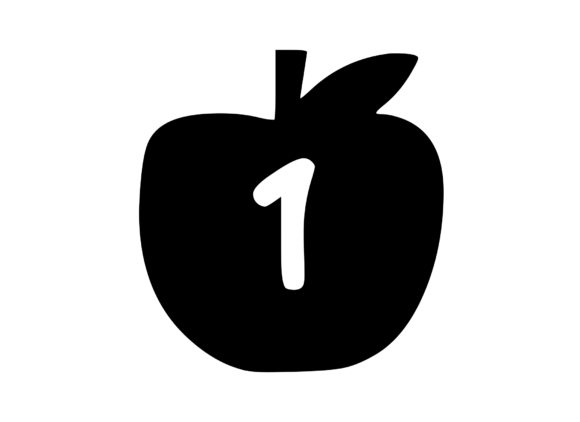
When I first opened Apple with Children s Playful Mono 1, I was immediately struck by how naturally it balances a clean, recognizable shape with a sense of motion. This is not a stiff, static apple graphic. The design carries a looseness that feels intentional—like a sketch that caught a moment of childhood energy. As someone who has stitched hundreds of embroidered products for clients and my own small shop, I can tell you that the difference between a design that sells and one that sits in a folder often comes down to this kind of personality. This design has it.
The monochrome approach is a deliberate choice that makes the embroidery project more versatile across fabric colors and product types. It avoids the complexity of multiple thread changes while still delivering visual impact. I have tested similar graphics on custom apparel, and the single-color execution here means fewer thread breaks and faster production cycles. For an Etsy seller or small shop product, that efficiency matters when you are stitching five or ten items before a craft fair or holiday rush.
A Design That Feels Alive Without Being Busy
What I appreciate most about Apple with Children s Playful Mono 1 is how the playful lines do not compromise the silhouette. The apple shape remains unmistakable, which is critical when you are selling to parents, teachers, or anyone buying a personalized gift for a child. The embroidered result needs to read instantly from across a room. This design delivers that clarity while adding a hand-drawn texture that makes the finished piece feel special rather than mass-produced.
The machine embroidery design has a natural rhythm to the strokes. When stitched out, the slight variations in line weight create depth without needing multiple colors. I have seen similar applique design styles fall flat because they rely too heavily on contrast between fabrics. This one holds its own with just thread and stabilizer. If you are producing embroidered patch products or decorating a tote bag design, the monochrome approach keeps the focus on the artwork itself.
I also note that the design does not crowd the canvas. There is breathing room around the apple shape, which makes it adaptable to different hoop size options. Whether you are working on a 4x4 hoop or something larger, the composition scales without losing its charm. That kind of flexibility is a real asset for anyone juggling multiple product lines.
How It Performs Across Real Projects
I stitched Apple with Children s Playful Mono 1 onto a cotton sweatshirt embroidery sample first. Cotton sweatshirts are a staple for many handmade product sellers because they accept thread well and hold shape after washing. The design stitched cleanly with no puckering, and the playful lines remained crisp even after gentle stretching. I then tested it on a linen tea towel and a baby embroidery onesie. Both produced excellent results, though the onesie required a lightweight stabilizer to prevent the fabric from distorting under the stitch density.
For custom apparel like t-shirts and baby clothes, the design works best when you match thread color to the garment. A dark thread on a light fabric or a bright thread on a neutral background will make the playful lines pop. I recommend testing at least two thread colors on scrap fabric before committing to a production run. The monochrome nature of the design means you have freedom to choose any single color that fits your brand or your customer's preference.
On a cap embroidery or curved surface like a hat, the design holds up well as long as you use a firm stabilizer and a hoop that accommodates the curve. The lines are not so dense that they cause distortion, but I would still advise a test stitch on a practice cap before stitching a client order. For apron embroidery or a pillow cover, the design feels right at home. The playful tone suits kitchen items and home decor that are meant to feel warm and approachable.
Where to Use This Design with Care
No design is perfect for every situation, and Apple with Children s Playful Mono 1 does have some limits worth noting. On very thin or stretchy fabric, the satin stitch and fill stitch areas may need extra stabilizer support. I noticed that on a lightweight jersey knit, the fabric wanted to shift slightly around the more detailed sections. A cutaway stabilizer solved the issue, but it is something to plan for if you are working with textured fabrics or knits.
Dark fabric can obscure some of the finer lines if the thread color is not chosen carefully. Since the design is monochrome, you lose the option of using a lighter contrast color within the same stitch-out. I suggest using a bright or metallic thread on dark backgrounds to keep the playful details visible. White, gold, or neon thread choices work well for this.
If you are placing the design on a curved surface like a cap sleeve or a small pocket area, double-check that the hoop size you plan to use fits the garment dimension. The design's natural outline is compact, but you still need enough clearance around the hoop to avoid catching seams or zippers. For layered garments like jackets or hoodies, a stabilizer with good adhesion is essential to keep the layers from shifting during stitching.
For items that need frequent washing—like kitchen towels, baby blankets, or children's apparel—I recommend a high-quality thread and a dense enough stitch density to withstand laundering. The design's linework is not overly delicate, so it should hold up well with proper stabilizer choice. But as always, test a sample through a wash cycle before selling the finished product.
Visual Appeal and Business Value
From a craft business perspective, Apple with Children s Playful Mono 1 checks several important boxes. It is instantly recognizable, which helps with brand consistency if you use it across multiple product types. The playful mood also makes it highly giftable—parents, grandparents, and teachers are natural buyers for anything with a child-friendly apple motif. I can see this working well for holiday embroidery projects, back-to-school items, or as part of a nursery decor line.
The design's professional finish builds customer trust. When a buyer receives a product with clean, well-placed embroidery, they perceive higher value. That translates into repeat purchases and positive reviews. For anyone selling digital embroidery file or design assets, this graphic also works well as a printable mockup to showcase how the finished item will look. A strong mockup can significantly increase conversion rates on Etsy or your own shop.
I also appreciate that the design feels contemporary without chasing trends. The hand-drawn quality gives it a timeless appeal that will not look dated next season. For a small shop product lineup that needs to stay relevant over several years, that is a meaningful advantage.
Practical Designer Notes Before You Stitch
Before you commit to a production run, here are a few steps I always take with a new embroidery file like this one. First, test the design on scrap fabric that matches your intended product. Use the exact stabilizer and thread you plan to use for the final pieces. Run a test stitch and inspect every detail under good lighting. Look for any skipped stitches, uneven density, or areas where the linework looks different from the preview.
Check your thread color contrast against the fabric. A true test requires stitching, not just looking at a screen. I also review the stitch density to make sure it is appropriate for the fabric weight. If the design feels too dense for a lightweight fabric, consider reducing density in your software or using a different stabilizer.
Create a black and white mockup of the design to see how it reads without color distraction. This helps you evaluate the shape and line quality objectively. Then stitch a version on a dark fabric and a light fabric to see how the design performs in both situations. For commercial embroidery projects, this step alone can prevent costly mistakes on client orders.
Finally, confirm the licensing terms for Apple with Children s Playful Mono 1 before using it for commercial embroidery or selling finished products made from the design. Some design assets allow unlimited use, while others restrict how many items you can produce or whether you can sell digital versions. Always verify this before listing anything in your shop.
Final Thoughts on Apple with Children s Playful Mono 1
I have tested dozens of apple-themed embroidery designs over the years, and this one stands out for its balance of personality and practicality. Apple with Children s Playful Mono 1 offers the kind of clean, expressive linework that works across crafts and graphics use cases—whether you are stitching a custom tote bag, a baby onesie, a holiday gift, or a boutique product for a craft fair. It fits naturally into the workflow of a busy creative entrepreneur who needs designs that stitch well, look great, and sell consistently.
If you are a hobbyist looking for a fun weekend project or a small business owner building an embroidery product line, this design is worth adding to your library. It delivers on the promise of the category while leaving room for your own creative choices in thread color, fabric, and placement. That is the mark of a well-crafted machine embroidery design that understands how real makers work.