Expensive Gem Stone Diamond Mono D
When I first opened the Expensive Gem Stone Diamond Mono D file, I have to be honest—I wasn’t sure what to expect. The title promises something premium, and the product description calls it a “fantastic SVG” for artists, designers, and crafters. As someone who spends most days behind a machine, testing designs on fabric and building small-batch inventory for my shop, I’ve learned to read between the lines of product listings. So I pulled this into my software, sized it for a standard 5x7 hoop, and started thinking about where it would actually land in a real project.
First Impressions: Mood, Shape, and Visual Personality
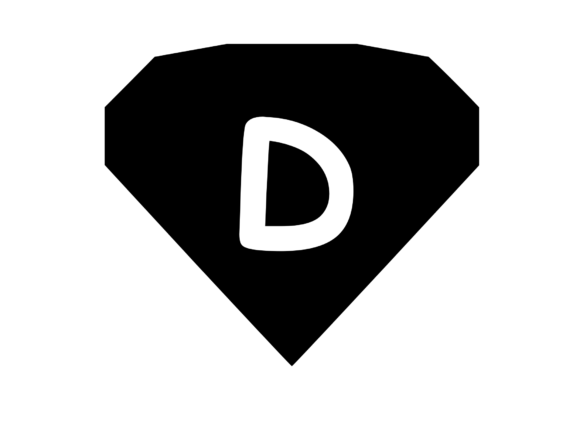
The design reads as a bold, single-color monogram—a stylized “D” with a gemstone and diamond motif woven into the letterform. The overall mood is upscale but not fussy. It feels like something you’d see on a boutique tote or a high-end personalized gift, not a mass-produced patch. The lines have a solid weight to them, which immediately told me this could handle a satin stitch or a dense fill-stitch without losing clarity. The diamond accents add a subtle sparkle effect that would catch light nicely on a dark fabric. For an embroidery project, that kind of contrast is gold.
The layout is centered and well-proportioned, which makes it versatile. I can see it working on everything from a sweatshirt pocket to a cap front, an apron, or even a pillow cover. The theme leans toward luxury and personalization, so it naturally fits custom apparel and handmade products aimed at customers who want a distinctive, durable monogram. If you’re an Etsy seller or a small business owner looking to offer something that feels like a boutique item rather than a generic design, this is the kind of digital embroidery file that can elevate your catalog.
Real-Life Performance: Stitching, Fabric, and Product Fit
I decided to test the Expensive Gem Stone Diamond Mono D on a medium-heavy cotton tote bag—the kind of canvas tote that crafters love to personalize for gifts or market booths. I used a midweight cutaway stabilizer and selected a metallic silver thread for the diamond detail and a deep navy for the main letterform. The results were clean. The satin stitches laid down smoothly, and the fill areas held their shape without puckering. Because the design is a mono (single-color) format, thread changes are minimal, which speeds up production—a huge plus if you’re running multiple orders for a craft fair or holiday rush.
I also ran a test on a tri-blend sweatshirt, which can be tricky with dense designs. The Expensive Gem Stone Diamond Mono D did well here because the stitch density is moderate—not overly packed, but enough to give the gemstone area a solid, premium feel. On stretchy fabrics, I’d recommend using a tear-away or stabilizer that matches the garment’s weight, and always test on a scrap piece first. The design’s shape is fairly compact, so it fits nicely on a cap front or a small patch without needing to scale down so much that detail gets lost.
Where to Use with Care
Not every product is a perfect match. The Expensive Gem Stone Diamond Mono D has some fine points in the diamond accents that could be problematic in very small hoop sizes—say, a 2x2 inch patch or a tiny baby onesie. If you need to shrink it below 2.5 inches, those details may become muddled. Similarly, on extremely thin or sheer fabrics like voile or lightweight linen, the stitch density could cause show-through or distortion. I’d stay away from using it on dark, textured fabrics unless you plan to topstitch the design with a high-contrast thread—otherwise, the diamond details can get lost in the weave.
For curved surfaces like caps or rounded sleeves, place the design centrally, not too close to seams, and use a stiff stabilizer to avoid distortion. Also, because this is a mono design, it’s best used as a standalone focal point rather than part of a busy layout. The visual impact comes from that single, elegant statement. If you layer it with other elements, you risk cluttering the look.
Visual Appeal, Customer Trust, and Business Value
In my experience, customers in the handmade market gravitate toward designs that look intentional and well-finished. The Expensive Gem Stone Diamond Mono D delivers that. It doesn’t scream “cheap” or “mass-produced.” Instead, it suggests a thoughtful, personal touch—exactly what a buyer wants when ordering a personalized gift or a custom piece for themselves. For a small shop product, that perception of quality translates into higher perceived value and repeat purchases.
I’ve used similar monogram designs for wedding gifts and holiday items, and the response is usually strong. People appreciate the care in stitching, and a design like this one becomes the talking point. “Where did you get that?” is a question you want your customers to hear. When you sell finished products featuring this design, it helps build trust. Your brand looks professional, consistent, and worth a premium.
Practical Notes for Designers and Sellers
Before you begin production, here’s what I recommend.
- Test on scrap fabric first. Always. Especially if you’re using a new thread brand or fabric type. This design’s performance depends on proper tension and stabilizer choice.
- Check thread color contrast. Because the design relies on a single color (the “mono” in the name), the impact comes entirely from how that color reads against the base fabric. Test both light and dark backgrounds in mockups before committing to an order.
- Review stitch density. The gemstone areas may have a slightly higher density than the letterform. If your machine struggles, you can reduce density in software, but keep enough to maintain the “gem” feel.
- Inspect small details. Zoom in on the diamond accents. If any path has very narrow elements, consider whether your needle size and thread weight can handle it. A sharp 75/11 needle works well for most detail work.
- Confirm hoop size. The design, as provided, fits a standard 5x7 hoop. If your hoop is smaller, check the scaled version carefully.
- Test in black and white mockups. This helps you see contrast and legibility without the distraction of color. If the design reads well in grayscale, it will probably stitch out well.
- Use proper stabilizer. For patches, use a heavy tear-away. For garments, consider cutaway for stability. For tote bags, a medium cutaway works.
- Check licensing. The product description says it’s great for all artists, designers, and crafters, but the file is an SVG. If you plan to convert it to an embroidery file and sell finished items or the digital design itself, verify the license terms first. Some SVG graphics allow commercial use of finished products, while others restrict digital resale. Always read the fine print.
Final Take: Who Is This For?
The Expensive Gem Stone Diamond Mono D is a solid addition to any craft business’s design library. It’s especially suited for:
- Etsy sellers offering personalized tote bags, sweatshirts, or hats.
- Small shop owners who want a boutique monogram for custom orders.
- Hobbyists making holiday gifts or wedding presents.
- Apparel decorators looking for a clean, single-color design that works across multiple product types.
- Digital product sellers who want to create printable mockups or design assets for their customers.
The Crafts and Graphics categories it belongs to are appropriate—this is a design asset that translates well into physical goods with the right preparation. It’s not a quick stitch-out for beginners, but for anyone with at least a season of embroidery experience, it’s a reliable, handsome design that can earn its place in your lineup. Use it smartly, test thoroughly, and your customers will notice the difference.