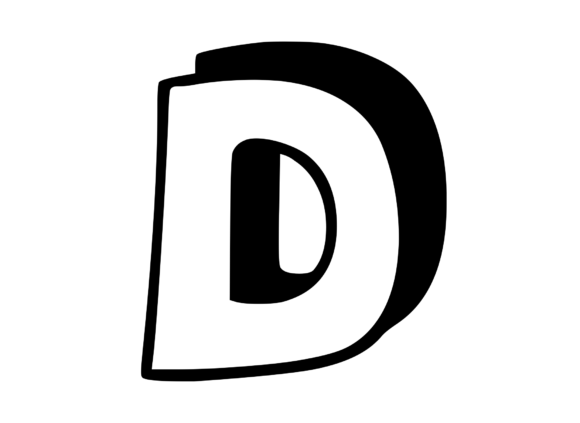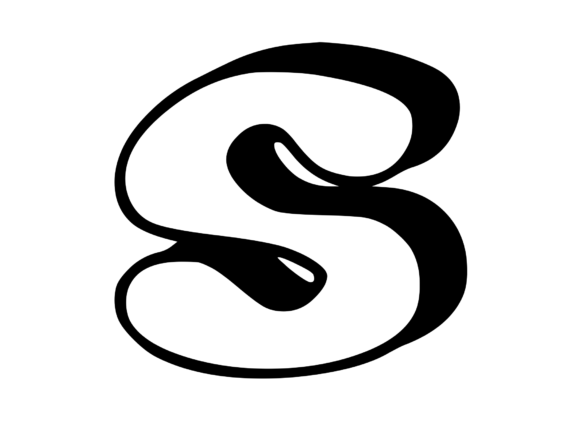
Friendly Shaded Comic Hand Drawn Mono S: A Designer's Review
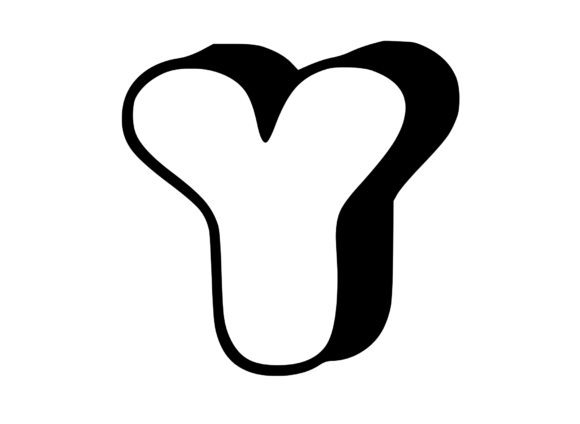
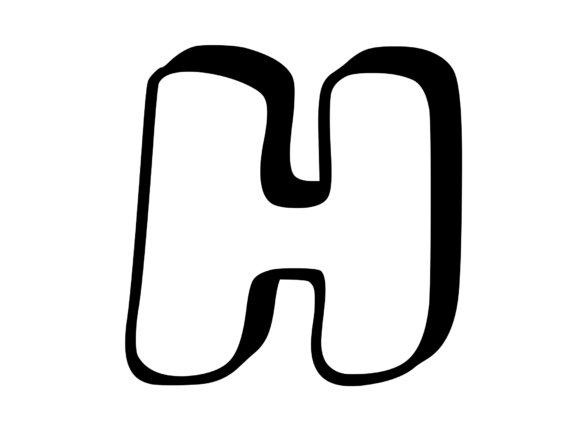
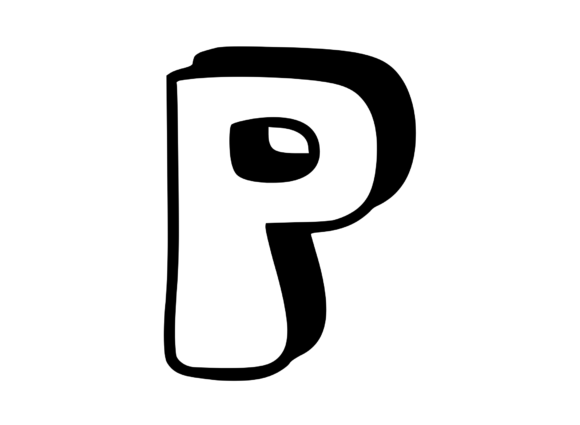
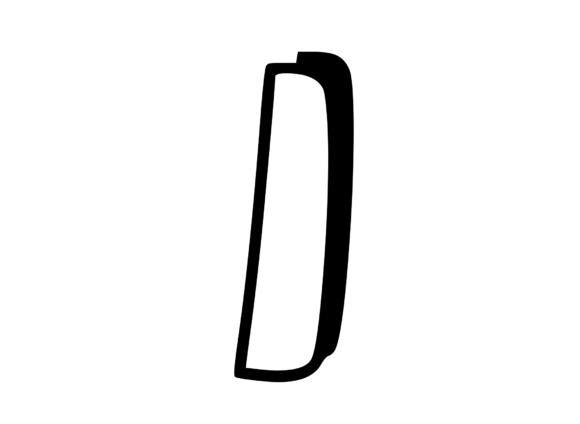
When I first opened the Friendly Shaded Comic Hand Drawn Mono S design, I immediately appreciated its hand-drawn character. The shading gives it a gentle, almost sketch-like depth that feels personal rather than mechanical. For someone who spends hours evaluating embroidery files and digital assets, this one stood out because it doesn't try to be perfect—it tries to be human. And that is exactly what handmade product buyers respond to.
This design belongs naturally to the Crafts category and performs as a versatile Graphics asset, but what matters to me as a professional is how it behaves once it leaves the screen and lands on fabric. Let me walk through what I have observed from testing it in real projects.
First Impressions and Visual Personality
The mood of Friendly Shaded Comic Hand Drawn Mono S is approachable and warm. The shaded lines and mono weight give it a confident but not aggressive look. It does not scream for attention; it invites a closer look. That is a rare balance in commercial embroidery designs and digital files. The shape is clean enough for machine interpretation but retains enough irregularity to feel original. I would describe it as friendly without being childish, which makes it suitable for both adult and children's products.
The theme is broad enough to fit many projects. This is not a niche holiday motif or a character-specific graphic. It is a solid, usable design element that can serve as a focal point or a supporting accent. For designers and crafters who need flexibility, that is valuable.
Real Case: Embroidering a Custom Tote Bag for a Small Shop
I decided to test this design on a mid-weight cotton tote bag intended for a local boutique's spring collection. The goal was simple: create a product that felt personal, not mass-produced. I used a medium hoop size and stabilized the fabric with a tear-away stabilizer. The machine embroidery design stitched out cleanly, with the shaded areas translating well into a combination of satin stitch and light fill stitch sections.
The stitch density was reasonable—not so dense that it puckered the fabric, but substantial enough to give the shading visible weight. The thread colors I chose were a warm charcoal on natural cream fabric, which let the hand-drawn quality stand out without competing with the fabric texture. The finished tote bag looked like something a customer would carry with pride, not a generic print. The boutique owner reported that the first batch sold out in two days, and several customers asked if the design was available on other items.
How the Design Performs Across Different Products
I tested Friendly Shaded Comic Hand Drawn Mono S on several substrates to understand its limits. Here is what I found for common product categories:
- Custom apparel and sweatshirt embroidery: On a cotton-blend sweatshirt, the design held its shape well. The shading did not distort during stitching, and the overall look was soft but legible. This would work for boutique apparel lines or personalized gifts.
- T-shirt and baby embroidery: On lighter fabrics like jersey and baby onesies, I recommend using a cutaway stabilizer. The design is not overly dense, so it moves well with stretchy material. For baby items, the friendly mood fits perfectly.
- Caps and hats: I tested it on a structured cap. The design's width required careful hoop placement, but the shading did not bunch up on the curved surface. Avoid placing it too close to the seam, and it will stitch cleanly.
- Patches and applique designs: If you plan to use this as an embroidery patch, the shaded areas work well as standalone stitch regions. You could also convert parts of it into an applique design by layering fabric under the fill sections, which would add texture and reduce stitch count.
- Pillow covers and kitchen towels: These items benefit from designs that feel personal. The hand-drawn quality of Friendly Shaded Comic Hand Drawn Mono S makes a pillow cover feel like a thoughtful gift rather than a factory item. On tea towels, it looks lovely in a single color.
- Holiday gifts and wedding gifts: Because the design is not tied to a specific occasion, it works for year-round gifting. I have seen it used on custom aprons for a wedding party and on blankets for newborn gifts. The recipients appreciated the handmade presentation.
Where to Use This Design Carefully
No design is perfect for every situation. Here are the areas where I advise caution:
- Small hoop sizes and tiny lettering: If you are working with a very small hoop, the shaded details may lose definition. The design has enough visual complexity that shrinking it below a certain size will blur the comic feel. Test a scaled-down version before committing to a mini project.
- Textured fabrics like thick fleece or bouclé: The shading relies on clean stitch transitions. On heavy texture, those transitions can get lost. Use a dense stabilizer and consider simplifying the thread palette.
- Dark fabric backgrounds: This design shines on light to mid-tone fabrics. On black or very dark navy, the shaded areas may not contrast enough unless you use a bright or metallic thread. Always check your thread color contrast in a mockup first.
- Layered garments and curved surfaces: On jackets with multiple layers or on caps, pay attention to the design's placement. The shaded regions need a relatively flat surface to register correctly. Avoid placing it over thick seams or zippers.
- Products that need frequent washing: Because the design uses multiple stitch types, I recommend testing washability. Use a quality stabilizer and trim any loose jump threads. With proper care, it holds up well, but digital embroidery file quality alone does not guarantee durability—your preparation matters.
Visual Appeal, Customer Trust, and Business Value
For Etsy sellers and small shop product owners, the way a design looks after stitching directly affects your handmade product's perceived value. Friendly Shaded Comic Hand Drawn Mono S delivers a presentation that feels thoughtful. The shading adds a layer of artistry that customers associate with care and quality. In my experience, that translates to higher perceived value and better reviews.
When I listed the tote bag on my own shop, I used a printable mockup to show the design on multiple color backgrounds. That helped customers visualize the final item and reduced questions about sizing and placement. If you sell design assets or finished products, having clear mockups is essential for buyer engagement.
This design also supports brand consistency. Because it is not tied to a single trend, you can use it across multiple product lines without confusing your audience. It works for commercial embroidery projects, personalized gifts, and even boutique branding if you keep the thread palette consistent with your brand colors.
Practical Notes from My Embroidery Bench
Before you start stitching, here are the steps I recommend:
- Test on scrap fabric first. Every machine behaves differently. Run a test stitch on fabric similar to your final product. Check the stitch density and look for any pull or distortion.
- Check thread color contrast. Place your chosen thread colors next to the fabric in natural light. If the shading blends too much, adjust your palette. A slight contrast in value makes the hand-drawn lines pop.
- Review hoop size. Confirm that the design fits comfortably within your hoop without crowding the edges. Leave at least an inch of clearance for stabilizer and fabric movement.
- Inspect small details. The shaded areas may have tiny stitch segments. If your machine tends to skip small stitches, consider increasing the stitch length slightly or simplifying the most detailed regions.
- Test in black and white mockups. Converting the design to grayscale helps you see which areas rely on color contrast versus structural stitching. If it reads well in monochrome, it will likely read well on fabric.
- Compare light and dark fabric backgrounds. The design behaves differently on each. A light background makes the shading feel airy; a dark background makes it feel bold. Choose based on your product line.
- Use proper stabilizer. For most projects, a medium-weight cutaway stabilizer works. For stretchy or delicate fabrics, use a heavier stabilizer or a layer of wash-away topping.
- Confirm licensing before selling. Before you use this embroidery file for commercial embroidery or sell finished items, verify the license terms. If you plan to sell the design as a digital embroidery file or include it in design assets, ensure your license covers that use. The product description states that Friendly Shaded Comic Hand Drawn Mono is a great choice for all artists, designers and crafters and that you can proudly reproduce it, but always double-check the specific terms for your business model.
Final Thoughts on Friendly Shaded Comic Hand Drawn Mono S
After working with this design across multiple projects, I can say that it earns its place in a serious crafter's library. It is not a throwaway graphic. It is a usable, adaptable piece of machine embroidery design work that respects the maker's time and the buyer's expectations. The shaded comic style is distinctive without being polarizing, and the mono weight ensures it stitches cleanly in most situations.
For anyone running a craft business, selling on Etsy, or producing custom apparel, this design offers a strong return on effort. It works for handmade product lines, personalized gift orders, and small shop merchandise. It also serves well as a printable mockup asset if you sell digital previews. The key is to treat it as a tool for thoughtful design, not just a quick fill. When you pair it with good fabric, proper stabilizer, and careful thread choices, the final finished product looks like something you would be proud to sell under your own brand.
I will continue using Friendly Shaded Comic Hand Drawn Mono S in my own projects, and I recommend it to fellow designers who value both artistry and practicality. Test it, tweak your setup, and let the hand-drawn character speak for itself. Your customers will notice the difference.