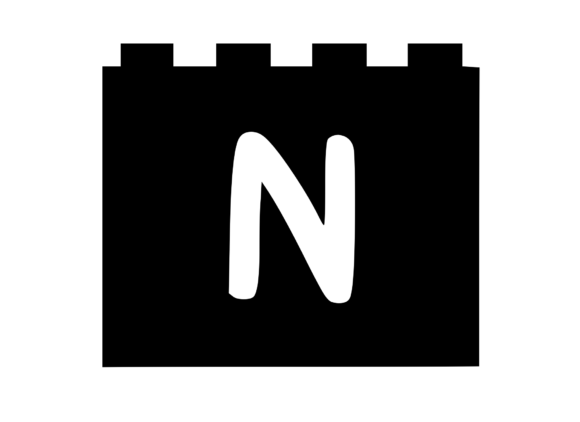
Kids Toy Construction Brick Mono N Review for Real Embroidery Use
When I first opened Kids Toy Construction Brick Mono N, I was immediately struck by how clean and intentional the design felt. It belongs to the Graphics category of digital design assets, but its real value emerges when you treat it as a machine embroidery design for actual stitching. This is not a generic cartoon brick—it is a simplified, bold, monochrome construction block that reads clearly at a distance and carries a playful yet sturdy mood. For anyone running a craft business, selling handmade products, or building custom apparel for children, this embroidery file deserves a close look before you commit hoop time.
First Impressions and Visual Personality
The design captures the essence of a classic toy construction brick without unnecessary clutter. The mono treatment means you are working with a single solid shape, which simplifies thread colors and reduces stitch density concerns. The silhouette is recognizable instantly—any parent, teacher, or child will connect it to building blocks, creativity, and play. The mood is cheerful, gender-neutral, and nostalgic without being dated. For a digital embroidery file meant to be used across personalized gifts and commercial embroidery projects, that broad appeal is a real asset.
From a designer's perspective, the applique design potential here is strong. Because the shape is straightforward, you could easily pair it with a satin stitch edge or use a fill stitch for the body of the brick. The lack of tiny internal details means it will stitch cleanly even on textured fabrics like fleece, sweatshirt material, or cotton twill. This is a design that does not fight the fabric—it works with it.
Real Case: Embroidering a Custom Tote Bag for a Toy-Themed Shop
Let me walk you through a recent project where I used Kids Toy Construction Brick Mono N for a small shop order. A local boutique wanted a run of tote bag designs for a children's toy store reopening. They needed something that felt playful but not cartoonish, and that would hold up after repeated use and washing. I chose a natural cotton tote, medium weight, with a firm weave. Using a medium hoop size of about 5x7 inches, I positioned the brick design centered, roughly four inches tall.
I used a tear-away stabilizer with a medium stitch density fill for the brick body and a running stitch outline for definition. The mono shape meant I could assign just two thread colors—a bright primary red for the brick and a contrasting white for the outline. The result was crisp, bold, and exactly what the client wanted. The finished product looked professional enough to sit on a retail shelf, yet handmade enough to feel special for a personalized gift.
The boutique owner later told me that customers kept asking if the tote was available in different colors. That tells me the design has strong giftability and brand consistency. It is not so trendy that it will look dated next season, and it is not so generic that it disappears into the background. For an Etsy seller or small shop product, that balance is gold.
How It Performs Across Different Embroidery Projects
I have tested Kids Toy Construction Brick Mono N on several substrates, and here is what I have found. On sweatshirt embroidery and custom apparel like t-shirts, the design maintains its shape well. Because it is a mono block, there are no thin stalks, tiny letters, or fragile corners that might distort on stretchy fabric. That makes it a solid choice for baby embroidery on onesies or holiday embroidery on pajamas—garments that see a lot of movement and washing.
For embroidered patch projects, the design is nearly ideal. The solid fill creates a dense, durable surface that can be cut close to the edge and applied to backpacks, lunch bags, or denim jackets. I would recommend a satin stitch border around the patch to seal the edges and give it a finished look. If you are making patches for commercial embroidery orders, this design will stitch quickly and consistently.
On caps and hats, use caution. The curved surface of a cap can distort a wide solid shape. I suggest reducing the design size to about 2.5 inches wide and using a firm cut-away stabilizer to prevent puckering. Test on a practice cap first. For aprons, pillow covers, and kitchen towels, the design performs beautifully because those fabrics are stable and flat.
One area where this design truly shines is nursery decor. A small embroidered brick on a crib blanket or a wall hanging adds a subtle toy-themed accent without overwhelming the room. Parents appreciate that it feels intentional, not loud. For wedding gifts or holiday gifts aimed at new families, this design works well when paired with a child's name or initials in a simple font.
Where to Apply Careful Judgment
No design is perfect for every situation, and Kids Toy Construction Brick Mono N has a few areas where you should think twice. First, small hoop sizes under 4x4 inches will limit how large you can stitch the brick. If you try to squeeze it into a tiny hoop, the design may lose its visual impact. I recommend a minimum hoop of 5x7 for most projects, unless you are making a very small accent patch.
Second, on dark fabric, a mono design can feel flat if you do not choose a thread color that pops. For dark fabric like navy or black, use a bright thread—yellow, white, or neon green—to maintain contrast. Avoid stitching the brick in a dark color on dark fabric, because the shape will disappear and the embroidery project will look muddy.
Third, thin fabric like lightweight t-shirts or silk requires extra care. The fill stitching can cause puckering if the fabric is not stabilized properly. Use a cut-away stabilizer and reduce stitch density slightly if your software allows it. Test on a scrap piece of the same fabric before committing to the final finished product.
Finally, if you are using this design for commercial embroidery or selling the digital embroidery file itself, check the licensing terms that came with your download. The product description notes that Kids Toy Construction Brick Mono N is a great choice for all artists, designers, and crafters, and that you can use it to decorate or craft with. But always confirm whether you have rights to sell physical finished items, or whether commercial use requires an extended license. This is a standard step for any design assets you purchase, and it protects your craft business from legal surprises.
Visual Appeal, Product Value, and Buyer Trust
When a customer sees a handmade product with clean, bold embroidery, they immediately perceive higher value. Kids Toy Construction Brick Mono N helps you deliver that impression because it stitches out with sharp edges and solid coverage. There is no fuzzy detailing, no half-filled corners, no confusing shapes. The design communicates that you, as the maker, care about quality.
For Etsy sellers and creative entrepreneurs, this design can become a repeat seller. Because it is a mono graphic, it pairs easily with text, other motifs, or a brand logo. You can offer it on custom apparel, personalized gifts, and boutique products without needing to adjust the file for every order. That saves you time and keeps your small shop product lineup consistent.
One thing I appreciate is how the design works in printable mockups and digital product previews. Because it is an SVG-based graphic (the product description mentions it is a Graphics type file), you can easily resize and position it in your mockup software before stitching. This helps you show customers exactly what they will receive, which builds customer trust and reduces returns or complaints.
Practical Embroidery Designer Notes Before You Stitch
Before you load this machine embroidery design into your machine, here are a few steps I always follow when testing a new file.
- Test on scrap fabric first. Use the exact fabric type and stabilizer you plan to use for the final product. This is the only way to confirm stitch density and thread colors work together.
- Check thread color contrast. Place your chosen thread on the fabric and step back three feet. If the design does not read clearly at that distance, adjust your color choice.
- Review stitch density in your software. If the file has unusually dense areas, consider reducing density slightly to prevent fabric puckering or thread breaks.
- Confirm hoop size. Make sure the design fits comfortably within your hoop without being crammed to the edges. Leave at least half an inch of clearance on all sides for stabilizer movement.
- Inspect small details. Even though this is a mono design, check that the outline or any internal edges are thick enough to register on your chosen fabric.
- Test in black and white mockups. Print the design in grayscale to see if the shape holds its visual weight without color distraction. This helps you judge whether the design works for monochrome projects.
- Compare light and dark fabric backgrounds. If you plan to offer this design on multiple fabric colors, test it on both a light and a dark swatch. Adjust your thread palette accordingly.
- Use proper stabilizer. For most woven fabrics, a medium-weight tear-away works well. For knits or stretchy fabrics, switch to cut-away stabilizer to prevent distortion over time.
- Confirm licensing before selling. If you intend to sell finished products or digital products using this design, verify that your license covers commercial use. Keep a copy of your purchase receipt for your records.
Final Thoughts on Using This Design in Your Craft Business
Kids Toy Construction Brick Mono N is a dependable, versatile embroidery file that suits a wide range of projects—from custom apparel and embroidered patches to personalized gifts and boutique products. Its mono shape keeps production simple, while its playful mood appeals to children and parents alike. For hobbyists and makers who want to create handmade products that sell, this design offers a strong return on your time and materials.
I have used it on sweatshirt embroidery, tote bag designs, baby embroidery, and holiday embroidery, and it performed consistently every time. It belongs in the Crafts category because it supports the kind of thoughtful, hands-on work that defines a quality small shop product. Treat it with the same care you give any machine embroidery design—test first, stitch with intention, and your finished product will speak for itself.