Graphic Frame 9 Review
As a designer and embroidery product reviewer, I’ve evaluated countless machine embroidery designs. Graphic Frame 9 stands out for its clean lines, bold presence, and versatility. It’s the kind of design that feels immediately useful—whether you’re working on custom apparel, baby items, or holiday gifts. But like any good design, it has its strengths and limitations. Let me walk through my real-world experience using Graphic Frame 9 in an actual project.
The First Impression
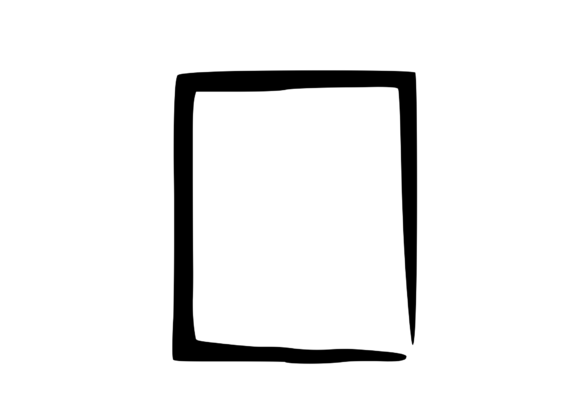
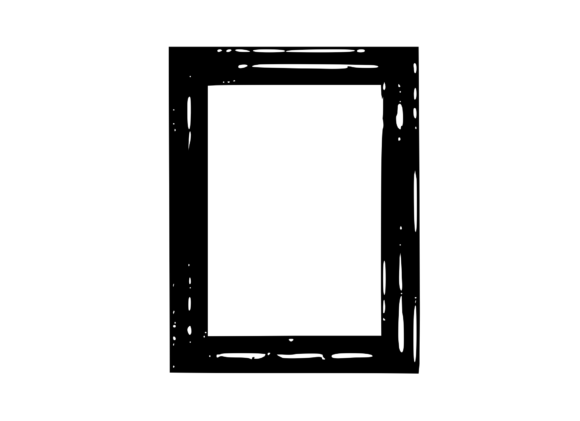
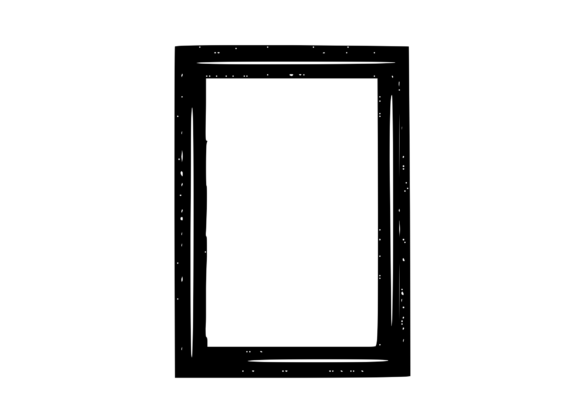
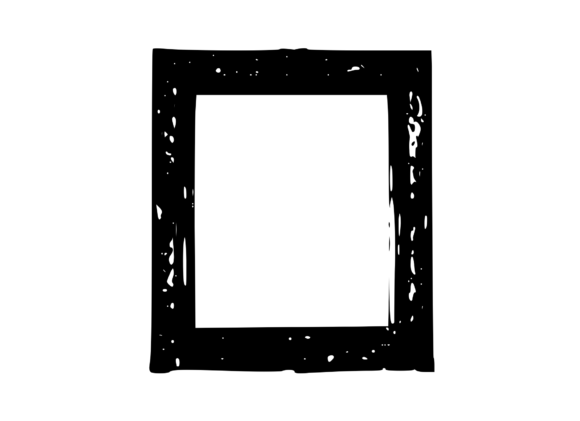
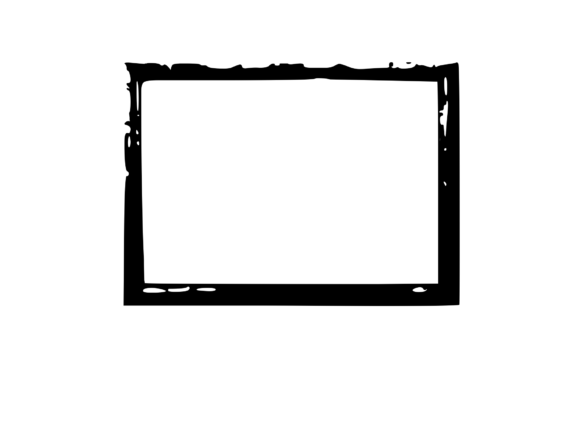
Graphic Frame 9 opens with a strong visual identity. The shape is modern and structured, with a balanced layout that feels professional. The design doesn’t try to be too busy—it’s simple but impactful. The level of detail is just right, offering enough character without overwhelming the eye. It has a classic feel that could work well in both traditional and contemporary settings.
This design seems to belong to projects that require a sense of elegance and clarity. Think embroidered patches, tote bags, or even personalized gifts. It’s not the type of design that screams “trendy,” but it has a timeless quality that makes it adaptable across different styles and uses.
Real-World Embroidery Use Cases
I tested Graphic Frame 9 on a custom tote bag design for a client who wanted something unique but not overly complicated. The design translated well onto cotton fabric, with clear stitch definition and a smooth finish. The frame itself was large enough to make a statement without being too bulky for the hoop size.
For a sweatshirt embroidery project, the design worked well when placed in the center of the garment. The stitching didn’t get lost in the fabric texture, and the overall look was polished. It also made a great addition to a baby onesie, where the simplicity of the design helped maintain a soft, safe aesthetic.
One thing I noticed is that Graphic Frame 9 works best on flat, stable surfaces. When I tried it on a cap, the curved surface slightly distorted the corners. That’s not a flaw in the design itself, but a consideration for users who plan to use it on more complex shapes.
Where to Be Cautious
While Graphic Frame 9 is versatile, there are situations where it may not perform as expected. For example, on small hoop sizes, the design can feel cramped. If you're working on a patch or a small item, you might need to scale it down or adjust the placement.
On textured fabrics, the design can sometimes lose some of its crispness. This isn’t a deal-breaker, but it’s worth testing on a scrap piece before committing to a final project. Similarly, on thin or stretchy fabrics, the design may not hold up as well unless you use the right stabilizer.
Dark fabrics can also affect the visibility of the design, especially if the thread color isn’t a strong contrast. I recommend testing it in black and white mockups to see how it looks against different backgrounds. And if you're planning to use it on layered garments or products that will be washed frequently, make sure the stitches are secure and the design is durable.
Impact on Visual Appeal and Customer Perception
Graphic Frame 9 adds a level of professionalism to any finished product. Whether it’s a handmade item for an Etsy shop or a commercial embroidery project, the design contributes to a polished, cohesive look. It’s the kind of element that helps customers recognize your brand and trust your craftsmanship.
When used correctly, this design enhances the value of a product. It makes a handmade item feel more intentional and high-quality. For small business owners, that translates into better customer engagement and higher perceived value. It’s also a great tool for creating consistent branding across different products and platforms.
As a personalized gift, Graphic Frame 9 offers a subtle yet meaningful touch. It’s not too flashy, but it’s distinctive enough to stand out. For holiday or wedding gifts, it adds a thoughtful, custom element that can elevate the overall presentation.
Practical Designer Notes
Before using Graphic Frame 9 in any project, I always recommend testing it on scrap fabric. This helps you understand how the stitches behave and whether the design needs any adjustments. Check the thread color contrast, especially if you're using dark or patterned fabrics.
Review the stitch density to ensure it's appropriate for your project. If the design is too dense, it may cause puckering or distortion. Confirm the hoop size required and make sure your machine can handle it. Small details, like corners or lettering, should be inspected closely to avoid any issues during stitching.
Test the design in both black and white mockups to see how it looks on different backgrounds. Use the right stabilizer for your fabric type, and double-check that the design works for both personal and commercial use. Always confirm the licensing terms before selling finished items or digital products.
Final Thoughts
Graphic Frame 9 is a solid choice for designers looking for a clean, adaptable design. It works well in a variety of embroidery projects, from custom apparel to personalized gifts. While it has some limitations, those are more about application than the design itself.
As a designer, I appreciate the balance between simplicity and impact that Graphic Frame 9 brings. It’s not a flashy design, but it’s reliable, professional, and easy to work with. Whether you're an Etsy seller, a craft business owner, or a hobbyist, this design has the potential to enhance your work and add value to your products.