Graphic Heart 6 Review
As a designer and embroidery product reviewer, I often find myself evaluating new designs with a critical eye—especially when they’re meant for real-world use in custom projects. Graphic Heart 6 is one such design that caught my attention for its bold, recognizable shape and versatile application. But does it hold up under the pressure of actual embroidery work? Let’s dive into what makes this design stand out—and where it might fall short.
The First Impression: A Heart That Speaks Volumes
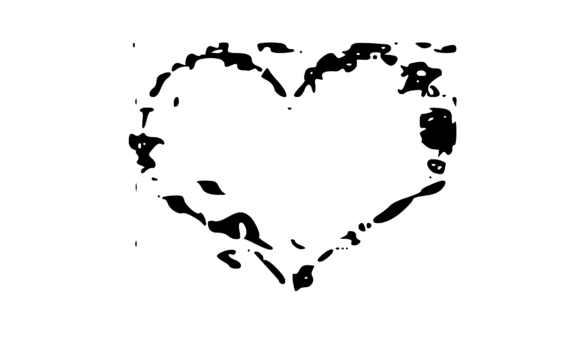
Graphic Heart 6 immediately conveys a sense of warmth and simplicity. The clean lines and balanced proportions make it feel modern yet classic, which is a rare combination in today’s design landscape. The heart isn’t overly detailed, but it has just enough visual interest to avoid looking generic. It’s the kind of design that can be used in a variety of contexts without needing much tweaking.
The layout feels natural for an embroidery file, with clear areas for satin stitch, fill stitch, and running stitch. It’s not too dense, so it should work well on most fabrics, though I’d advise checking the stitch density before jumping into a full project.
Real-World Use: Where Graphic Heart 6 Shines
Imagine you’re preparing a custom embroidered tote bag for a client who wants something unique but not too flashy. Graphic Heart 6 would be a solid choice here. Its size and structure make it ideal for a statement piece on a large fabric area like a tote or a sweatshirt. It also works well as a standalone embroidered patch for caps, aprons, or baby clothes.
For small business owners or Etsy sellers, this design could be a valuable addition to your digital product library. It’s perfect for printable mockups, especially if you’re targeting a niche market like personalized gifts or holiday-themed items. The heart shape is universally appealing, making it a safe bet for a wide range of customers.
It also holds up well in commercial embroidery projects. Whether you’re working on custom apparel for a boutique or creating branded merchandise for a local business, Graphic Heart 6 offers a professional look without requiring complex stitching techniques.
Where to Be Cautious: Limitations and Considerations
While Graphic Heart 6 is generally user-friendly, there are some scenarios where it may not perform as expected. For instance, if you’re working with small hoop sizes, the design might be too large to fit comfortably. This could lead to stitching issues or require multiple hooping steps, which can be time-consuming.
On textured or stretchy fabrics, the design might not lay flat as intended. You’ll need to use a proper stabilizer to prevent puckering or distortion. Thin or dark fabrics can also be tricky—make sure to test the design in black and white mockups to see how it appears against different backgrounds.
Additionally, if you plan to use this as part of a layered garment or on curved surfaces like caps, you’ll want to ensure the design is scaled appropriately. Small details, like the corners of the heart, might get lost if the design is too small or the stitch density is too high.
Impact on Visual Appeal and Customer Perception
Graphic Heart 6 adds a touch of personality to any project. Its clean design makes it easy to integrate into handmade products, whether you’re creating embroidered pillow covers, kitchen towels, or nursery decor. It also enhances the overall value of a finished product by giving it a polished, professional look.
When it comes to customer trust, a well-executed embroidery design like this can make a big difference. It signals that you’ve put thought into your craft, which is crucial for handmade shop owners and creative entrepreneurs. It also boosts buyer engagement, especially when used in Etsy listings or social media posts.
For gift-giving, Graphic Heart 6 is a reliable choice. It’s simple enough to be timeless but distinctive enough to stand out. Whether it’s a personalized gift for a loved one or a holiday item for a client, this design has the potential to be both meaningful and visually appealing.
Practical Designer Notes: What to Check Before Using
Before using Graphic Heart 6 in any project, I recommend testing it on scrap fabric first. This helps you understand how the design behaves on different materials and how the stitches interact with the fabric texture.
Check thread color contrast carefully, especially if you’re using dark or patterned fabrics. A subtle mismatch can ruin the overall effect. Also, review the stitch density to make sure it aligns with your project’s needs. Too dense, and it might cause puckering; too light, and it might look unfinished.
Confirm the hoop size required for the design. If it’s too large for your machine, consider scaling it down or adjusting the layout. Inspect small details like the corners and edges to ensure they’re sharp and well-defined.
Lastly, always check the licensing terms before selling finished items or digital products. Even though Graphic Heart 6 seems promising, it’s important to verify whether it’s suitable for commercial use and what restrictions, if any, apply.
Final Thoughts: A Versatile Design for the Right Projects
Graphic Heart 6 is a solid choice for designers, crafters, and small business owners looking for a reliable embroidery design. It’s versatile enough to work in a variety of applications, from custom apparel to personalized gifts. However, it’s not a one-size-fits-all solution.
If you’re planning to use it in a project that involves small hoop sizes, textured fabrics, or delicate materials, you’ll need to take extra precautions. But for most standard embroidery projects, this design should serve you well.
As with any machine embroidery design, the key to success lies in understanding its strengths and limitations. Graphic Heart 6 is a good starting point, but it’s up to you to bring it to life in a way that reflects your brand and meets your clients’ expectations.