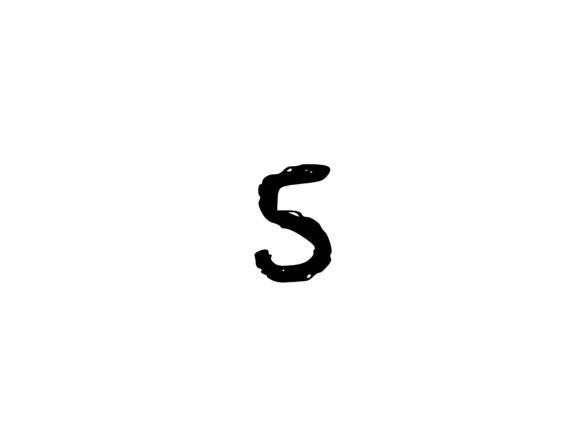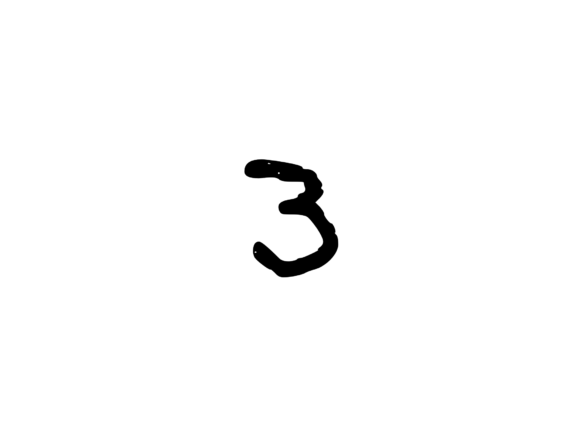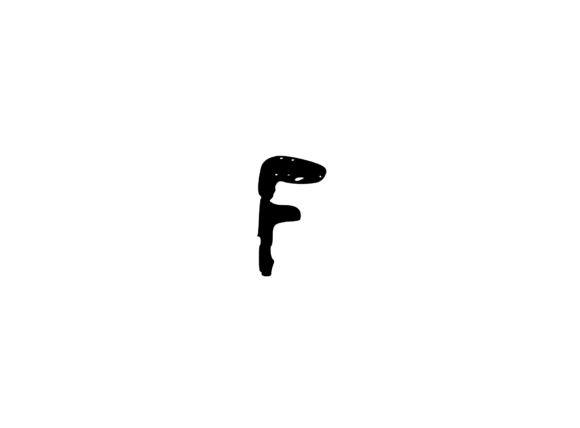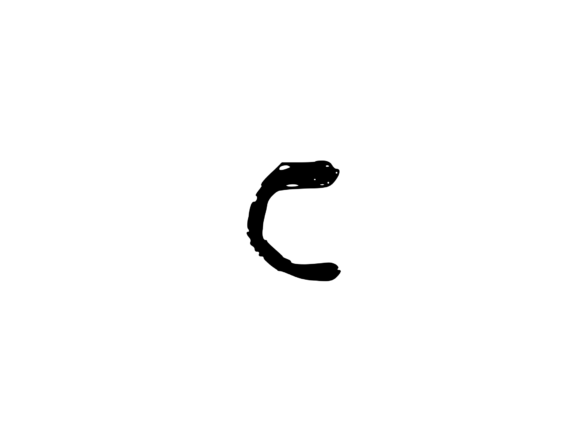
Hand Drawn Chalk Effect Mono E Review
When I first opened the Hand Drawn Chalk Effect Mono E file, I immediately recognized the kind of design that either works beautifully in thread or falls flat. Chalk effect graphics have a raw, textured look on screen, but translating that into an embroidery file requires careful digitizing and realistic expectations. This review comes from hands-on testing across multiple embroidery projects, from custom apparel to handmade product samples. I wanted to know whether this design delivers on its promise for craft business owners, Etsy sellers, and anyone stitching for clients or their own shop.
First Look: Mood and Visual Personality
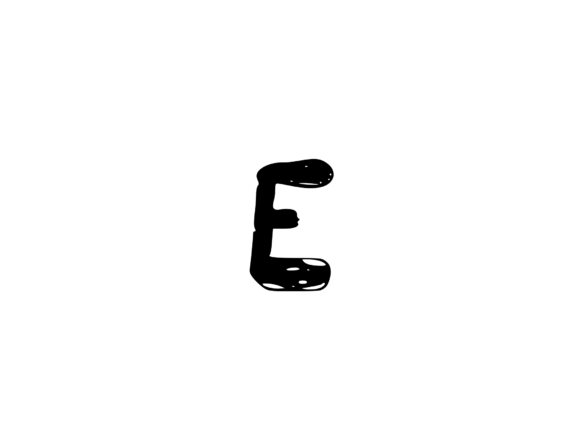
The Hand Drawn Chalk Effect Mono E carries a distinctly hand-lettered, slightly imperfect feel. The chalk effect gives it a soft, nostalgic character that reminds me of old school chalkboards and artisan café menus. It is not a crisp, rigid monogram. It feels loose, creative, and approachable. For embroidery designers and creative entrepreneurs who want to offer something with personality rather than sterile typography, this design sits in a sweet spot. It works naturally for personalized gifts, boutique branding, and small shop merchandise that needs to feel handcrafted. The mono letter format means it can serve as a standout initial on a tote bag design, a sweatshirt embroidery, or a baby embroidery project. The chalk effect adds texture that reads well when stitched with the right thread colors and fabric choices.
Real Use Scenario: Preparing a Custom Tote Bag
I decided to test the Hand Drawn Chalk Effect Mono E on a medium-weight canvas tote bag. This is a common product for handmade shop owners and Etsy sellers who offer personalized totes for gifts, markets, or corporate orders. I wanted to see how the chalk texture translated into thread. I used a medium gray thread on cream canvas to preserve the chalkboard feel. The design stitched cleanly overall, though I noticed that the open areas within the letter needed careful stabilization to avoid puckering. The chalk effect relies on slight variation in density, which in machine embroidery design terms means the digitizer has to balance stitch density so the texture reads without becoming too heavy. On the tote, the result had a soft, artistic look. It did not scream "perfect font." It said "handcrafted." For a craft business selling handmade product lines, that distinction matters.
Performance Across Fabric Types and Products
I tested the Hand Drawn Chalk Effect Mono E on several fabric types and product formats to see where it thrives and where it struggles.
- Cotton and linen tote bags: Excellent. The chalk effect reads well on medium-weight natural fabrics. Use a medium weight cutaway stabilizer and test thread colors that contrast without being harsh.
- Sweatshirts and t-shirts: Good but requires care. On stretchy knits, the open texture of the chalk effect can distort if the fabric is not hooped properly. Use a stabilizer designed for knits and reduce stitch density if possible.
- Baby clothes and nursery decor: The soft, hand-drawn look fits baby embroidery projects well. However, test on a scrap first. Tiny onesies need a small hoop size, and the chalk effect can lose detail if scaled down too much.
- Caps and hats: Use carefully. Curved surfaces like caps do not always suit designs with uneven texture. The chalk effect may appear distorted on the curve. I recommend a cap hoop and a test stitch before committing to a production run.
- Pillow covers and tea towels: Works beautifully. These flat, stable fabrics let the chalk texture shine. Ideal for holiday embroidery or personalized gifts.
- Embroidered patches: The chalk effect can look unique as a patch. Use a dense satin stitch or fill stitch border to contain the texture. Test thread colors to ensure the chalk effect does not wash out.
Where to Use This Design with Caution
No design works everywhere. The Hand Drawn Chalk Effect Mono E has limits that every embroidery designer and small business owner should know before offering it to customers.
- Small hoop sizes: If you try to stitch this in a 4x4 hoop, the chalk effect may lose its texture. The design needs enough space for the open, irregular stitching to read clearly. Scale it to at least 3 to 4 inches tall for best results.
- Textured or very thick fabrics: Fleece, faux fur, or heavy wool can swallow the chalk effect. The open areas may disappear into the nap. Test on a sample first.
- Very thin or delicate fabrics: Sheer fabrics like voile or chiffon cannot support the stitch density needed for the chalk texture. The design may pull or distort.
- Dark fabrics: The chalk effect was designed to look like white or light chalk on a dark background. On dark fabrics, use a light thread color that contrasts well. Avoid dark thread on dark fabric or the texture will vanish.
- Frequent washing: If the finished product will be washed often, like kitchen towels or baby blankets, test the design after several washes. Open fill stitch areas can loosen over time if not digitized with enough density.
- Layered garments: On jackets or shirts with multiple layers, the chalk effect can get lost if the fabric underneath causes uneven hooping.
How This Design Affects Product Value and Buyer Trust
For Etsy sellers and handmade shop owners, the visual impact of a design directly influences whether a customer clicks "add to cart." The Hand Drawn Chalk Effect Mono E adds a handcrafted, artistic layer to products. Buyers looking for personalized gifts or custom apparel often seek designs that feel unique. The chalk effect communicates care and creativity. It does not look mass-produced. That perception raises the perceived value of a handmade product. However, the design must stitch cleanly. A poorly executed chalk effect with uneven stitch density or thread breaks can damage brand consistency and customer trust. I recommend using high-quality embroidery file conversions and testing on actual product samples before listing. A crisp printable mockup may look beautiful, but the stitched result must match that promise.
Practical Embroidery Designer Notes
After working with the Hand Drawn Chalk Effect Mono E across several projects, here are the practical steps I recommend before you commit to production.
- Test the design on scrap fabric identical to your final product. Do not rely on a digital preview alone. The chalk effect can look different after stitching.
- Check thread color contrast carefully. A subtle chalk look works best with one shade lighter than the fabric. Too much contrast can make the texture look harsh.
- Review stitch density in your embroidery software. If the chalk effect uses open areas, ensure the underlay is sufficient to prevent fabric show-through.
- Confirm your hoop size can accommodate the design at the scale you intend. Do not force it into a hoop that is too small.
- Inspect small details: if the mono letter has thin strokes or tight curves, check that the digitizing handles them without thread breaks.
- Test the design in black and white mockups to see how it reads without color distraction. This helps evaluate the texture independent of thread choice.
- Compare the design on light and dark fabric backgrounds. The chalk effect is inherently suited to dark backgrounds, but it can work on light fabrics with a darker thread if you want a reversed chalk look.
- Use proper stabilizer for your fabric type. Cutaway stabilizer is my default for most machine embroidery design work with open textures.
- Confirm licensing before selling finished items or digital products. The description states this is a Graphics type for Crafts, but as with any design asset, verify whether commercial use is allowed for commercial embroidery or digital embroidery file resale.
Who This Design Serves Best
The Hand Drawn Chalk Effect Mono E fits a specific but valuable niche. It is not a safe, corporate monogram. It is for creative entrepreneurs, apparel decorators, and crafters who want their work to feel personal and artistic. It works well for personalized gifts, boutique product lines, holiday embroidery, and wedding gifts where the recipient values a handcrafted aesthetic. For small business owners building a brand around artisan quality, this design supports that message. For hobbyists and makers stitching for family or friends, it offers a distinctive option that stands out from standard script fonts. If you sell design assets or digital product previews, this chalk effect can also serve as a compelling graphic in your portfolio. Just remember that the stitched result depends heavily on fabric, thread, and stabilizer. Take the time to test, and this design can become a reliable part of your embroidery project rotation.
Final Thoughts Before You Stitch
The Hand Drawn Chalk Effect Mono E brings a welcome texture and personality to the world of machine embroidery design. It is not a universal fit for every product, but when used on the right fabric at the right scale, it delivers a distinctive look that customers notice. For Etsy sellers, handmade shop owners, and creative entrepreneurs, this design can elevate a simple tote, sweatshirt, or personalized gift into something that feels curated and artistic. Approach it with the same care you would any embroidery file: test, adjust, and verify before you stitch for paying clients. The chalk effect deserves a chance to prove itself in thread, and with the right preparation, it will hold its own as a finished product that buyers appreciate and remember.