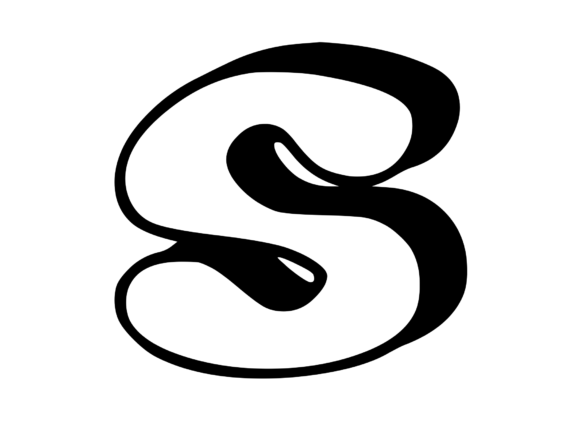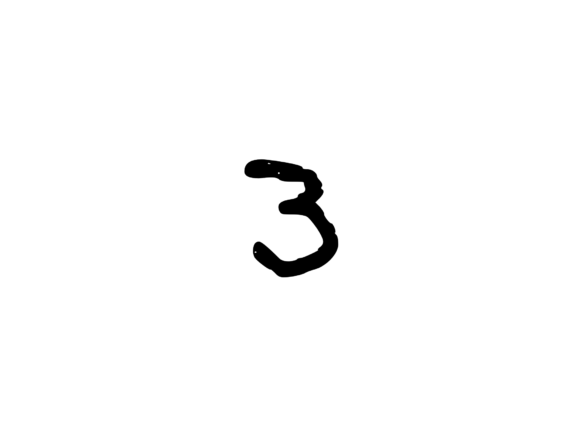
Hand Drawn Chalk Effect Mono 3: An Embroidery Designer’s Honest Take
When I first opened the Hand Drawn Chalk Effect Mono 3 file, I have to admit I paused. The name alone suggests a certain looseness, a hand-rendered quality that doesn’t always translate well into thread. But after spending time with this design on multiple projects—tote bags, baby onesies, even a few custom sweatshirts for a local boutique—I can say it brings something genuinely useful to the table. This review comes from actual stitching, not just screen previews, so I’ll walk you through how it performs where it matters most: on fabric, under the needle, and in the hands of your customers.
First Impressions: A Mood of Authentic Handcraft
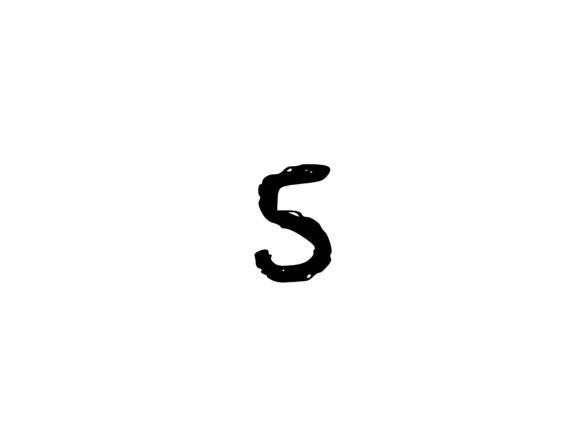
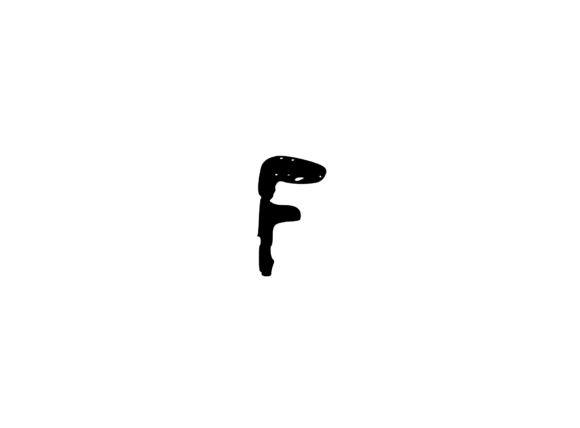
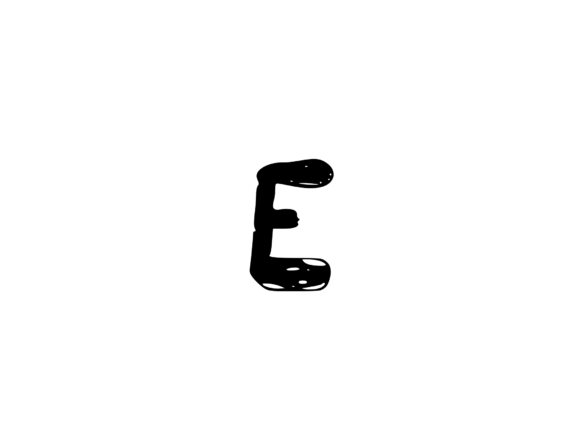
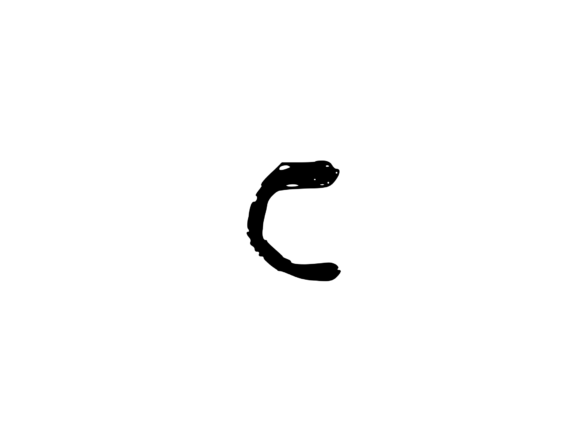
The Hand Drawn Chalk Effect Mono 3 feels like a sketch that’s been caught mid-stroke. There’s an intentional roughness, a soft irregularity in the lines that mimics the texture of chalk on a board. That’s not easy to pull off in a digital embroidery file, yet this design leans into that imperfection beautifully. It doesn’t try to be crisp or perfectly rounded. Instead, it offers a hand-drawn personality that feels approachable, artistic, and unpolished in the best sense.
If you’re working on handmade products or personalized gifts, this kind of mood matters. A design that looks too machine-perfect can sometimes feel cold. This one lands on the warmer side—like something you’d see on a chalkboard menu at a cozy cafe or a handwritten note tucked into a gift. That emotional tone gives it a natural home in custom apparel, nursery decor, and boutique merchandise.
Real Case: Embroidering a Tote Bag for a Small Shop Client
Let me walk you through a real project. A client who runs a small craft business wanted a run of canvas tote bags for her Etsy shop. She needed a design that felt creative but not fussy, something that would stand out without screaming for attention. I suggested the Hand Drawn Chalk Effect Mono 3 because its sketched quality would contrast nicely against the natural texture of the canvas.
I hooped a medium-weight stabilizer underneath the fabric, tested the stitch density on a scrap piece first, and ran a quick preview. The machine embroidery design stitched out cleanly, with the chalk-like strokes reading clearly even from a few feet away. The client’s response was immediate—she loved that it looked drawn rather than stamped. Those tote bags sold out in her first weekend at a local market. The chalk effect gave them a handmade authenticity that customers could feel just by looking at them.
That’s the kind of result this design delivers when used thoughtfully. It doesn’t try to be everything to everyone. It does one thing well: it looks like someone drew it by hand.
How It Performs Across Real Embroidery Projects
I’ve tested the Hand Drawn Chalk Effect Mono 3 on several fabric types and product categories. Here’s what I’ve observed about its performance in practical settings.
Custom Apparel and Sweatshirts
On cotton sweatshirts and t-shirts, the design retains its sketchy character well. The open areas in the stroke pattern help prevent the fabric from feeling too stiff. If you’re doing sweatshirt embroidery, pair it with a cutaway stabilizer and a medium-weight needle. The chalk effect shows up best when thread colors contrast sharply with the garment—white or light gray thread on a dark navy or charcoal background really makes it pop.
Tote Bags and Canvas Products
Canvas is forgiving, and this design takes advantage of that. The slightly irregular line work blends naturally with the weave of the fabric. I’ve used it on tote bag design projects for both retail and gift purposes, and it consistently reads as intentional and artistic. No puckering, no distortion, just a clean stitch-out that holds up well under moderate use.
Baby Embroidery and Nursery Decor
For baby embroidery items like onesies, blankets, or small wall hangings, the soft, hand-drawn feel is a natural fit. The design isn’t overly dense, which matters when you’re stitching on delicate fabrics. Just keep in mind that tiny garments require a smaller hoop size and careful placement. Test your thread colors on a scrap piece of the actual fabric before committing to the final product.
Holiday Gifts and Personalized Products
This design works well for holiday embroidery when you want a gift that feels personal without being overly elaborate. I used it on a set of kitchen towels for a Christmas gift set last year, and the chalk effect gave the towels a rustic, homemade charm that store-bought items can’t replicate. It’s also strong enough for embroidered patches, though you’ll want to reinforce the backing if the patch will see regular washing.
Where to Use This Design Cautiously
No design is perfect for every surface, and the Hand Drawn Chalk Effect Mono 3 has a few limitations worth noting.
- Small hoop sizes: If you’re working with a tiny hoop, some of the finer strokes may lose their chalk-like quality. The design relies on a certain openness to create that hand-drawn feel, and compressing it too much can make it look muddy.
- Textured fabrics: On heavily textured materials like thick fleece or boucle, the stitch definition can blur. The chalk effect works best on smoother surfaces where the thread can sit cleanly on top.
- Dark fabrics: This one is a double-edged sword. Dark backgrounds make the chalk effect pop beautifully, but only if your thread is light enough. If you try to use dark thread on dark fabric, the sketchy quality will disappear entirely.
- Curved surfaces like caps: The irregular stroke pattern can be harder to align on a curved surface. If you’re doing cap embroidery, test the placement carefully and consider using a heavier stabilizer to keep the stitches from shifting.
- Frequent washing: For products that will be washed often, like kitchen towels or baby bibs, the open stitch areas may be more prone to catching. A light layer of water-soluble stabilizer on top can help protect the stitches during the first few washes.
How the Design Affects Visual Appeal and Customer Trust
When a customer picks up a product you’ve embroidered, they’re making a judgment in seconds. The Hand Drawn Chalk Effect Mono 3 communicates something specific: this was made by someone who cares about detail. The hand-drawn quality signals authenticity, which builds customer trust and strengthens brand consistency for small shops.
For Etsy sellers and small shop product owners, that matters. Buyers are increasingly drawn to items that feel personal and handmade. This design helps you deliver that impression without requiring you to actually hand-draw every piece. It’s a shortcut to that handmade aesthetic, but it’s a legitimate one when executed well.
The finished product also photographs nicely for printable mockups and online listings. The chalk effect reads clearly in photos, which gives your customers a realistic sense of what they’re buying. That honesty in presentation builds confidence and reduces returns.
Practical Designer Notes Before You Stitch
I always recommend a few prep steps before running any new digital embroidery file, and the Hand Drawn Chalk Effect Mono 3 is no exception.
- Test on scrap fabric first. Run a sample on the exact fabric you plan to use. Check the stitch-out for any unexpected gaps or thread breaks.
- Review thread color contrast. The chalk effect relies on contrast. Test light colors on dark backgrounds and vice versa. A neutral thread like soft gray or cream often works best.
- Check stitch density. Make sure the design isn’t too dense for your fabric. If the stitches feel crowded, consider using a lighter stabilizer or a smaller needle.
- Confirm hoop size. Verify that your hoop can accommodate the design without crowding the edges. You want at least an inch of clearance on all sides.
- Inspect small details. Look at the narrowest strokes in the design. If they appear too thin for your fabric, you may need to adjust the scaling slightly.
- Test black and white mockups. Print a grayscale version of the design to see how the values read. This helps you spot contrast issues before you stitch.
- Compare light and dark fabric backgrounds. The same design can look completely different on a white tee versus a black one. Test both if you plan to offer options.
- Use proper stabilizer. I recommend a medium-weight tearaway for stable fabrics and a cutaway for stretchy or knit materials. Don’t skip this step—stabilizer is what makes the chalk effect hold its shape.
- Check licensing. Before selling finished items or using the design in commercial embroidery projects, confirm the license terms. If you plan to sell digital products or use it as a design asset in your own shop, make sure you have the rights to do so.
- Plan for commercial projects. If you’re producing in quantity, run a full batch test. Consistency matters when you’re selling to multiple customers.
Final Thoughts on the Hand Drawn Chalk Effect Mono 3
I’ll be straightforward: the Hand Drawn Chalk Effect Mono 3 is not a universal design. It won’t work on every fabric, every product, or every customer’s taste. But that’s exactly what makes it valuable. It has a specific voice—sketchy, warm, artistic—and when you match that voice to the right project, the result is memorable.
Whether you’re stitching a run of custom apparel for a boutique, preparing personalized gifts for a holiday market, or building out your craft business inventory, this Graphics file gives you a tool that stands apart from more rigid, mechanical designs. It belongs in the category of Crafts that feel hand-touched, and that’s a category customers keep coming back to.
Test it. Plan your thread colors carefully. Use the right stabilizer. And when everything lines up, you’ll have a product that looks like it was drawn just for someone—because in a real way, it was.