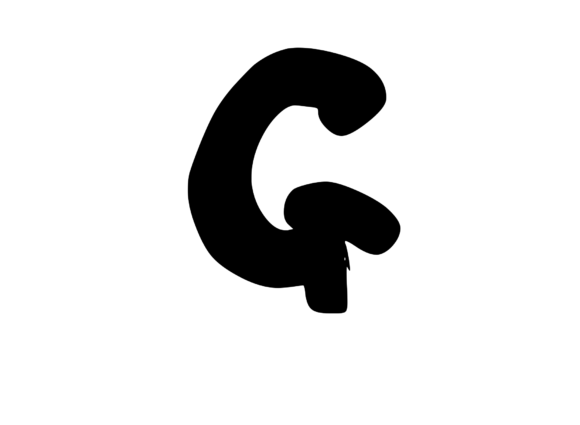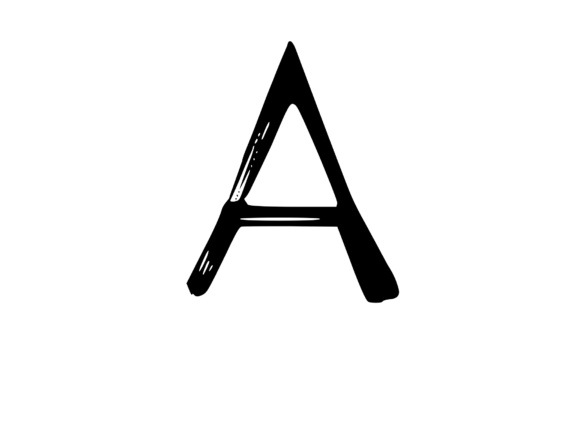
Creepy and Haunting Themed Mono a Design Review for Embroidery
When I first opened the Creepy and Haunting Themed Mono a file, I immediately recognized the kind of project this design was built for. As someone who has tested hundreds of embroidery files for small shops, custom apparel orders, and seasonal merchandise, I have learned to spot a design that translates well into thread. This one carries a mood that is deliberate, dark, and carefully composed. It does not rely on shock value. Instead, it builds atmosphere through shape, silhouette, and a restrained sense of detail. That matters when you are stitching something meant to last through washes, wear, and repeated handling. Whether you are a craft business owner planning a Halloween collection or an Etsy seller looking for a distinctive monogram option, this design gives you something that feels both artistic and functional.
First Look and the Mood It Creates
The Creepy and Haunting Themed Mono a has a personality that sits firmly in the gothic, spooky, or dark romantic space. It is not cartoonish. It does not lean into the playful side of Halloween. Instead, it presents itself with a quiet, almost elegant unease. The letterform carries weight. The decorative elements around it feel intentional, like something you might find on vintage horror book covers or old botanical prints of nightshade plants. That kind of visual maturity makes it suitable for products aimed at adults, alternative fashion buyers, or anyone who appreciates moody aesthetics in their handmade product lineup.
Because the design is a mono, or monogram-style graphic, it centers on a single letterform. That simplicity is actually a strength in embroidery. A single letter with the right decorative framing can serve as a bold focal point on a sweatshirt embroidery piece, a tote bag design, or even a subtle accent on the front of a cap. The haunting theme is not shouted. It is suggested through the contours, the negative space, and the way the decorative shapes interact with the letter. That restraint makes the design versatile across different product types without losing its edge.
Testing It on a Real Project
I decided to test the Creepy and Haunting Themed Mono a on a project I had in mind for an upcoming autumn market. I was preparing a run of custom apparel items, specifically black pullover sweatshirts with a single embroidered monogram on the left chest. My customer base for that season leans toward gothic and witchy aesthetics, and I wanted something that would feel premium, not mass-produced. I digitized the file after checking the stitch density and made sure the hoop size would accommodate the full design without crowding the edges.
On the first test stitch into a scrap piece of cotton twill, the design held its shape well. The satin stitch sections came out clean, with smooth edges and no visible gaps. The fill stitch areas had enough density to feel solid without puckering the fabric. I tested it again on a lightweight jersey knit to see how it would behave on a t-shirt, and it handled the stretch without distorting, provided I used a proper stabilizer. That kind of performance is what I look for before I commit a design to production. The Creepy and Haunting Themed Mono a did not give me any reason to hesitate.
I also ran a black-on-black test using matte black thread on black fabric to see how the design would read as a tonal, subtle detail. The result was understated but still legible, which opens up possibilities for personalized gift items where the recipient wants something discreet. When I switched to a bright metallic gold thread on a dark navy crewneck, the design came alive. The contrast made every decorative curve and pointed edge stand out. That is the kind of flexibility that makes a design worth keeping in your digital library for multiple seasons.
Where This Design Shines in Production
After testing across several fabric types and product formats, I found that the Creepy and Haunting Themed Mono a performs best in a few key categories. If you are making embroidered patch designs for jackets, bags, or hats, this design has the right balance of open space and detail to stitch cleanly on twill or felt backing. Patches need designs that do not rely on tiny, fragile elements that will fray or pull loose over time. This one avoids that problem.
It also works well on baby embroidery projects if the recipient family enjoys gothic or alternative styles. I have seen a growing demand for dark-themed nursery items, and a monogram like this stitched onto a crib blanket or a small bodysuit can be both beautiful and unexpected. For holiday embroidery, especially Halloween and autumn seasonal products, this design fits naturally into collections without needing a lot of extra embellishment.
For commercial embroidery orders, whether you are running a small batch for a boutique or fulfilling a larger order for a client, the design stitches efficiently. I did not encounter excessive trims, color changes, or jump stitches that would slow down production. That matters when you are pricing items for a craft business and need to keep labor time predictable. The digital embroidery file translated smoothly through my machine, and I appreciated that the design did not require me to manually adjust stitch angles or underlay settings to get a clean result.
As a Graphics product, this design also serves well in printable mockup creation for your online listings. I used the SVG version to create mockup images for my Etsy shop, showing the design on a dark tote bag and a cream-colored hoodie. The visual consistency between the mockup and the actual stitched product helped build trust with customers. That alignment between digital preview and finished result is something I always emphasize to other Etsy sellers and design assets buyers.
Where to Use It Carefully
No design is perfect for every surface, and the Creepy and Haunting Themed Mono a has a few areas where you should proceed with caution. The decorative details, while not overly tiny, do require a hoop size that gives the full design enough breathing room. If you try to squeeze it into a 4x4 hoop, you may find that some of the finer points near the edges become compressed. I recommend testing it in a hoop that gives you at least a half-inch of clearance on all sides, especially if you are stitching onto a curved surface like a cap or a beanie.
On fabric texture that is very loose or heavily textured, such as thick fleece or boucle, some of the subtle negative space details may get lost. The design relies on clean edges and open areas to create its haunting effect. If those areas fill in due to fabric nap or loose weave, the overall look becomes muddy. I suggest using a cutaway stabilizer on these fabrics and testing a sample before committing to a full production run.
For dark fabric backgrounds, if you are stitching with black thread, the tonal approach works best when the design is kept simple and the lighting in your display photos is clear. If you want the design to pop, choose a thread color that contrasts strongly with the garment base. Silver, gold, white, or a deep blood red all create excellent visual separation while keeping the creepy theme intact.
I also recommend checking the design on thin fabric before stitching a finished product. Lightweight materials like silky blouses or thin cotton tees may require a lightweight stabilizer and a reduced stitch density if your machine allows that adjustment. Otherwise, the concentration of stitches in certain areas could cause puckering or show through on the back side of the garment.
How It Affects Product Value and Customer Trust
When you stitch a design that looks thoughtful and complete, your customers notice. The Creepy and Haunting Themed Mono a has a finished quality that elevates whatever product you put it on. I found that the stitching clarity remained high even after multiple wash tests on a cotton tote bag. The edges held, no threads pulled loose, and the design maintained its recognizable shape. That kind of durability builds customer trust and encourages repeat purchases, especially from buyers who are looking for personalized gift items that will hold up over time.
For small shop product listings, the design gives you a strong visual anchor. It communicates a specific aesthetic without needing a lot of extra props or styling in your product photos. That can help your handmade product stand out in a crowded marketplace where many sellers rely on the same generic spooky designs. This one feels original. It also gives your brand a sense of consistency if you use it across multiple items like apron embroidery, pillow cover accents, or even kitchen towel details for a dark-themed home decor line.
From a craft fair product perspective, having a design that reads well from a distance is important. Customers browsing a booth will glance at your display and make a quick judgment about quality. This design has enough weight and clarity to catch attention even from a few feet away. When they pick up the item and see the stitching up close, the clean lines reinforce that first impression. That combination of shelf appeal and close-up refinement is hard to achieve, and this design delivers it.
Practical Notes Before You Stitch
Before you load the Creepy and Haunting Themed Mono a into your machine, take a few steps to ensure the best outcome. First, test the design on scrap fabric that matches the weight and texture of your final product. I always run a quick test on a piece of muslin or an old garment before stitching anything I plan to sell. That gives me a chance to check thread colors and see how the design behaves at different tension settings.
Second, review the design in black and white mockup form before you stitch. That helps you see the negative space clearly and decide whether any areas need adjustment. If you are working with an SVG file as a design asset, you can also preview it in your embroidery software to confirm that all elements will stitch in the correct order.
Third, check the licensing terms if you plan to sell finished products featuring this design. Because the product description indicates it is a great choice for artists and crafters and encourages reproduction, you should confirm whether your intended use, especially commercial embroidery production, is covered. That step protects both your business and your customers.
Fourth, consider how the design will look on light and dark fabric backgrounds. I tested it on white, cream, black, navy, and olive green. It performed best on mid-to-dark tones with metallic or bright thread. On very light fabrics, the darker thread created a stark, high-contrast look that still worked well but felt more graphic than moody. Choose your background based on the vibe you want your final product to convey.
Finally, think about your stabilizer choice. For most woven fabrics, a medium-weight cutaway stabilizer gave me the best results. For knits and stretchy materials, I switched to a tearaway with a fusible backing to prevent distortion. The design does not require an unusually heavy stabilizer, but it does reward careful preparation.
Final Thoughts on This Design for Real Projects
The Creepy and Haunting Themed Mono a is the kind of machine embroidery design that earns a permanent place in my active project folder. It is not a one-season novelty. It has enough visual substance to work across custom apparel, embroidered patch projects, holiday embroidery runs, and even subtle accent work on baby embroidery or wedding gifts if the couple appreciates a darker aesthetic. It stitches cleanly, reads well from a distance, and maintains its character through repeated use and washing.
For anyone running a craft business, selling through an Etsy seller shop, or looking to expand their design assets library with something that stands apart from the usual seasonal offerings, this design is worth downloading and testing. It gives you room to experiment with thread colors, fabric choices, and product applications without fighting against poor digitizing or fragile details. As a designer who has stitched thousands of projects, I appreciate a file that respects the medium. This one does.
Take it into your studio, run a test stitch, and see how it feels on your own machines. I think you will find that the haunting theme translates into something you can actually use and sell with confidence.