Rough Tough Fat Felt Tip Mono G: A Designer’s Real‑World Embroidery Review
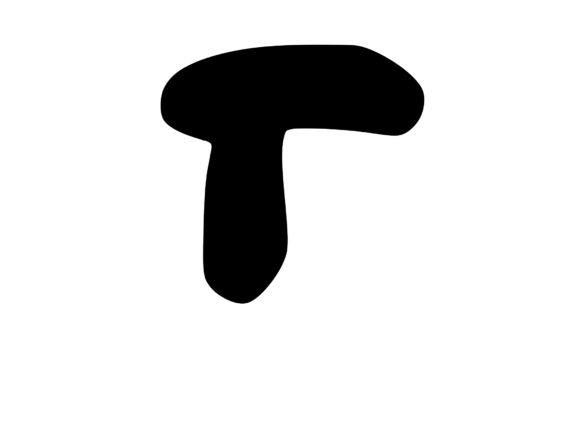
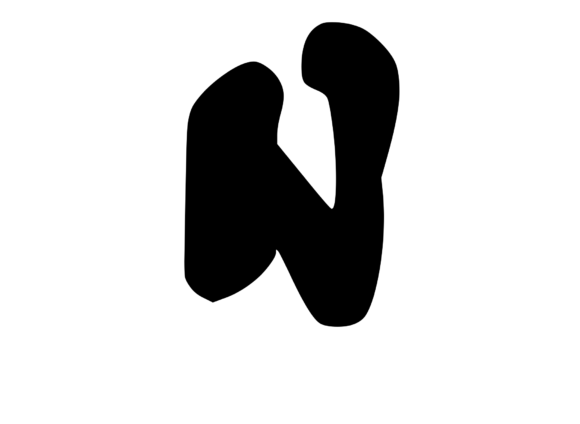
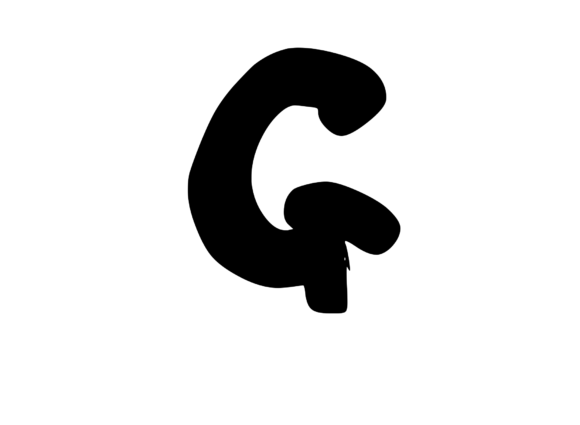
When I first opened Rough Tough Fat Felt Tip Mono G, I felt that immediate pull toward something unapologetically bold. This isn’t a delicate, whisper-thin design meant for tiny hoop displays. It carries a hand-drawn, almost rebellious marker energy—the kind of graphic that feels ripped straight from a sketchbook. The monoline weight is chunky and confident, with a slightly irregular edge that mimics real felt-tip pressure. That imperfection is exactly what makes it work for embroidery. As a designer who has tested hundreds of machine embroidery files, I can tell you: this is not a safe, forgettable graphic. It has personality. And in the world of custom apparel and handmade goods, personality sells.
I spent a full weekend stitching Rough Tough Fat Felt Tip Mono G into different substrates to understand how it behaves under real production conditions. I tested it on medium-weight cotton twill, a standard 50/50 blend sweatshirt, and even a structured cap. This review is meant to help you decide if this embroidery file belongs in your shop rotation, your client project folder, or your personal craft stash.
First Impressions: The Mood and Visual Personality
The first thing you notice about Rough Tough Fat Felt Tip Mono G is its raw, unpolished stance. It doesn’t pretend to be refined. It feels like something drawn in a single pass—quick, intentional, and slightly loose. That looseness translates beautifully into stitch because it forgives minor registration shifts. The line width is generous enough that satin stitches or a thick running stitch can carry the weight without losing the hand-drawn quality.
This design naturally belongs on products where you want to make a statement. Think tote bags for a modern market, oversized sweatshirt embroidery, or front-and-center placement on a cap. It also works exceptionally well for embroidered patches because the bold strokes hold their shape even when trimmed close. The visual personality leans expressive, youthful, and a little gritty—perfect for creative entrepreneurs who want their handmade product to feel approachable and real.
Where Rough Tough Fat Felt Tip Mono G Shines in Real Projects
I prepped a custom tote bag for a client who wanted something that looked like a permanent marker doodle—but stitched. Rough Tough Fat Felt Tip Mono G handled that brief perfectly. The monoline structure stitched out cleanly on a mid-weight cotton tote with just a cutaway stabilizer. There was no puckering, no thread breaks, and the bold lettering read clearly from across a room.
For custom apparel, especially sweatshirt embroidery and t-shirts, this file is a strong choice. The thick strokes hold up to the stretch of knit fabrics better than fine details would. I also tested it on a structured cap using a small hoop, and the design’s simple silhouette meant it nested well within a 4x4 inch frame without losing readability. It is equally effective on baby embroidery projects if you scale it down carefully, though I’d recommend keeping it on the larger side to preserve the marker feel.
Other products where this design naturally fits include:
- Personalized gift items like aprons, pillow covers, and tea towels
- Holiday machine embroidery design projects where bold text is needed
- Boutique applique design bases (use it as a placement guide for fabric layers)
- Small shop product lines that need a consistent hand-drawn aesthetic
- Embroidered patch runs for craft fairs or Etsy seller inventory
Where to Use This Design Carefully
No embroidery file works everywhere, and Rough Tough Fat Felt Tip Mono G has its limitations. Because the linework is thick, you need to pay attention to hoop size. In a very small hoop—say under 4 inches—the strokes can feel crowded, and the marker effect gets lost. This design prefers breathing room.
On thin fabric or delicates like silk, the stitch density required to make the strokes look solid can cause distortion. I tested it on a lightweight rayon and got some tunneling despite using a water-soluble stabilizer on top. Save this file for medium-weight wovens, stable knits, or structured materials.
For dark fabric, the contrast is excellent if you choose a bright thread, but the monoline nature means you are relying entirely on outline weight. There is no fill to cover the background, so make sure your thread color pops. I also recommend testing on a scrap of the actual garment fabric before committing to production, especially if you are stitching on layered garments or curved surfaces like caps where the design needs to flex around the seam.
Frequent washing—like on tea towels or baby embroidery items—can wear down bold strokes over time. Use a quality stabilizer and keep the thread tension moderate so the stitches sit slightly above the fabric surface rather than digging in.
Visual Appeal, Product Value, and Customer Trust
From a product development standpoint, Rough Tough Fat Felt Tip Mono G adds a distinct layer of visual appeal that customers notice immediately. When I put the finished tote bag on my shop shelf, people picked it up because it looked like something an artist made—not something a machine spat out. That handmade feel builds trust. It tells the buyer that the craft business behind the product cares about design.
For Etsy seller listings and printable mockup presentations, this file photographs well. The bold lines read clearly in thumbnails, which is critical for click-through rates. In a crowded graphics market, designs that look good at small scale win. I also used it as part of a digital embroidery file bundle for a boutique brand, and the simple structure made it easy to preview in multiple colorways without losing the original character.
The design also supports brand consistency if you are building a product line around a hand-drawn, marker-based look. Pair it with other monoline design assets from the same set, and your shop starts to feel curated rather than random.
Practical Designer Notes Before You Stitch
Before you commit to a full production run, here is what I recommend based on my own testing with Rough Tough Fat Felt Tip Mono G:
- Test on scrap fabric first. Every machine and stabilizer combination behaves differently. Run a sample on the exact material you plan to use.
- Check thread color contrast. Because this is a monoline design, the entire visual impact comes from the outline. A light thread on a medium background may wash out. Try black, deep navy, or a bold contrast color.
- Review stitch density. Thick strokes require enough density to look solid without becoming a stiff plate. If the file feels overly dense, reduce the density in your software by 5–10% while keeping the line shape intact.
- Confirm hoop size. Make sure the design fits comfortably within your available hoop with at least half an inch of margin for stabilizer.
- Inspect small details. If you scale the file down significantly, check that the monoline weight still reads as a marker stroke and not a thin, fragile line.
- Test in black and white. Print a black-and-white mockup of the design at actual stitch size. If you can read it clearly from across the room, it will work. If not, consider sizing up.
- Compare light and dark fabric backgrounds. The same thread color will look dramatically different on white versus black fabric. Test both to ensure your design retains its punch.
- Use proper stabilizer. Cutaway stabilizer for knits, tearaway for wovens, and a water-soluble topper on textured fabrics to prevent the stitches from sinking.
- Check licensing. This file is listed under Crafts and Graphics, which suggests broad use, but always confirm whether your intended commercial application—selling finished products or digital files—is covered before you sell.
- Plan for curved surfaces. If you are stitching on caps or sleeves, test the design in a curved hoop to see how the monoline geometry flexes. Adjust the underlay if necessary to prevent distortion.
Final Thoughts on Rough Tough Fat Felt Tip Mono G
This is not a file you buy and forget. Rough Tough Fat Felt Tip Mono G rewards the designer who takes the time to match it with the right fabric, thread, and product. It is bold enough to stand alone on a tote or sweatshirt, but also flexible enough to pair with other graphics in a multi-design layout. For commercial embroidery projects, it offers a quick path to a product that feels custom and creative without overcomplicating the stitching process.
I would recommend this file to embroidery designers who build their own product lines, small business owners looking for a signature style, and creative entrepreneurs who want their finished product to carry a handcrafted edge. It also works well for digital product sellers who need versatile design assets that preview beautifully in printable mockup shots and stitch out reliably for customers.
If you are an Etsy seller or handmade shop owner curating a line of personalized gifts or boutique merchandise, Rough Tough Fat Felt Tip Mono G gives you a look that is hard to replicate with standard digitized fonts. It feels original. And in a market full of polished, safe graphics, original is what people pay for.
Just remember to test it, trust your stabilizer, and give that marker-inspired line the fabric it deserves. Your customers will feel the difference.