Quickly Scribbled Rough Mono C: A Designer's Review
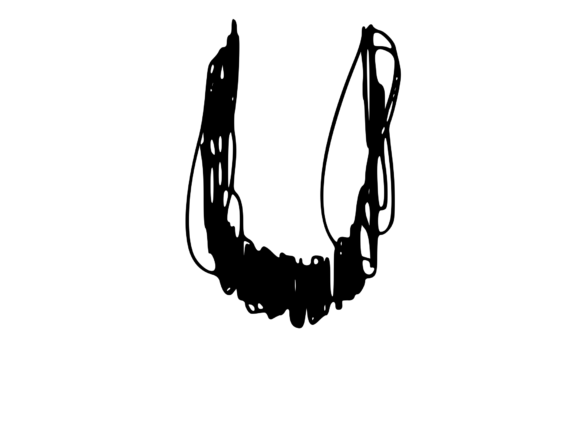
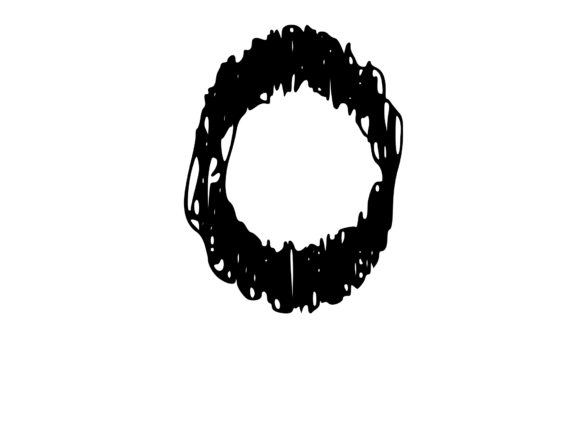
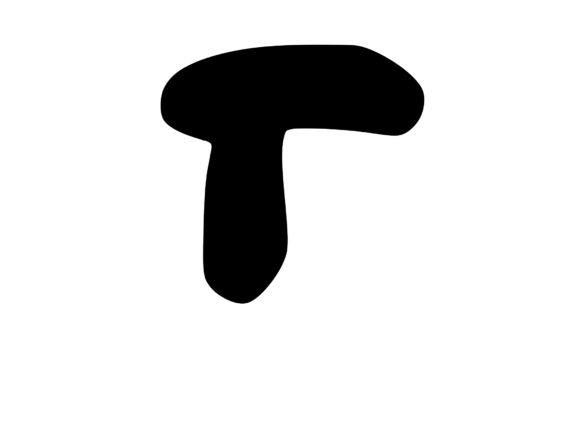
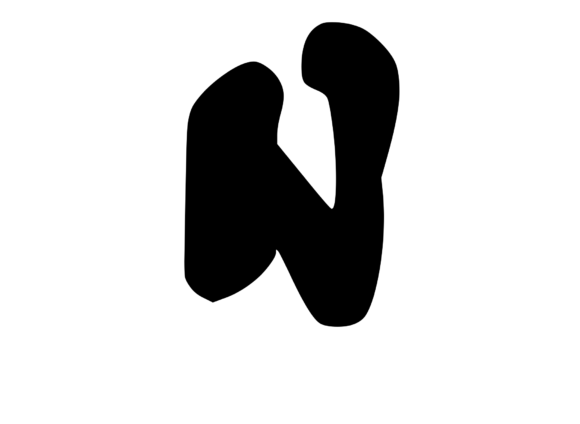
When I first opened Quickly Scribbled Rough Mono C, I immediately recognized its personality. This is not a polished, buttoned-up letterform. It feels like a marker sketch pulled straight from a creative notebook—intentionally raw, slightly uneven, and full of motion. As someone who reviews embroidery designs for real project use, I have learned that a design like this lives or dies by how it translates from screen to fabric. My first impression was that this design belongs on products that want to look handcrafted, expressive, and unpretentious. It carries an artist's hand, and that energy is exactly what many handmade shop owners and Etsy sellers look for when they want to stand out.
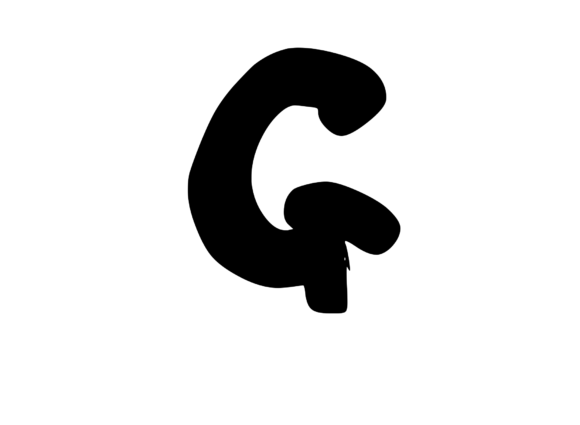
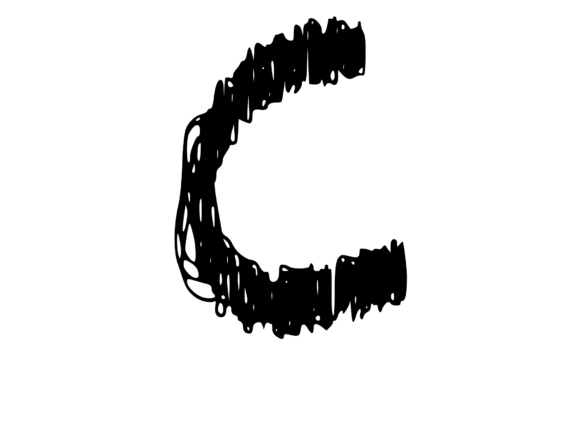
The shape and layout of Quickly Scribbled Rough Mono C are straightforward—a solo monogram letter with a sketched, rough finish. There is no ornate detailing, no layered fill work. The visual appeal comes from its imperfection. The lines feel alive, as if drawn quickly with a loose wrist. That mood works best on modern, casual, or creative projects. I would not use this for a formal bridal monogram or a corporate logo. But for a boutique tote bag, an artist's apron, a teenage sweatshirt, or a quirky coffee shop cap? Absolutely. The design has a graphic, almost street-art feel that reads as intentional and cool, not sloppy.
Let me walk you through how I tested Quickly Scribbled Rough Mono C in a real project scenario, how it performed across different products, and what you should consider before adding it to your craft business or personal stash.
Testing the Design on a Real Custom Tote Bag
I decided to stitch Quickly Scribbled Rough Mono C onto a heavy cotton tote bag—the kind small shop owners sell at craft fairs or use as branding giveaways. I wanted to see how the rough lines would hold up on a woven surface with some texture. I hooped the bag with a tear-away stabilizer and used a medium-weight polyester thread in black on natural canvas. The design stitched out cleanly, with no skipped stitches or distortion. The raw, scribbled look translated beautifully because the slight fabric texture added to the hand-drawn feel.
One thing I noticed immediately: the design's open, sketchy structure means it does not rely on dense satin or fill stitches. That keeps the stitch count manageable and the flex good on thicker fabrics. I could see this same design working well on a sweatshirt front, a denim jacket pocket, or even a soft baby onesie—provided you choose the right stabilizer and thread weight. The informal look makes it feel like a genuine artist's mark, which customers often perceive as more valuable because it looks like custom handwork, not mass-produced digitizing.
Where Quickly Scribbled Rough Mono C Shines in Embroidery Projects
After testing this design on several fabric types, I can confidently say it fits a wide range of handmade products and commercial embroidery work. Here are the applications where it performs best:
- Custom apparel: T-shirts, sweatshirts, hoodies, and denim jackets all benefit from the casual, expressive letterform. The design adds personality without overpowering the garment.
- Embroidered patches: Because the design has a rough, hand-drawn edge, it looks natural on a patch with a merrowed or raw border. It would also work well as a badge for a creative business or maker community.
- Personalized gifts: Baby blankets, nursery decor, pillow covers, and kitchen towels feel special with a monogram that looks hand-sketched. It gives a personalized gift a bespoke, artistic touch.
- Holiday and seasonal products: I can easily see Quickly Scribbled Rough Mono C stitched onto holiday tea towels, Christmas stockings, or Easter bags. The rough style feels festive without being fussy.
- Boutique branding: Small businesses that want to sew their logo onto product labels, aprons, or staff shirts could use this design as part of a handcrafted brand identity. It signals authenticity.
- Digital product previews and mockups: The SVG format makes it easy to drop into printable mockups for Etsy listings or craft business catalogs. The rough mono style reads clearly even at small sizes in digital previews.
The design also works nicely on caps and curved surfaces, as long as you use a proper cap frame and test the placement. The open sketch lines do not require the dense coverage that often distorts on a curved brim.
Where to Use This Design with Caution
No design is perfect for every situation, and Quickly Scribbled Rough Mono C has a few limitations you should consider before committing to a large production run. Based on my testing, here is where you should be careful:
- Small hoop sizes: If you are working with a very small hoop—say, 4x4 inches—and the design fills most of that space, the rough lines may look compressed. The sketchy style needs breathing room to retain its deliberate looseness.
- Textured or very thin fabric: Heavy textures like fleece or bouclé can swallow the fine running stitches and make the rough lines look fragmented rather than intentional. Very thin, delicate fabric may show stabilizer shadow through the open areas. Test on a scrap first.
- Stretchy fabric: Knits and stretchy athletic wear require a cut-away stabilizer and careful hooping. The design's open structure can pull out of shape if the fabric shifts mid-stitch.
- Dark fabric with dark thread: The sketchy look depends on contrast. If you stitch Quickly Scribbled Rough Mono C in a dark thread on a dark fabric, the rough lines lose their definition. Light or bright thread on medium to dark fabric gives the best result.
- Dense stitch areas: The design is not dense by nature, but if you scale it very large, the running stitches may create longer stitch lengths that can snag on textured surfaces. Keep an eye on stitch length when resizing.
- Frequent washing: Because the design uses running stitches, it may be more prone to distortion after repeated washings compared to a dense satin stitch letter. For products that will see heavy laundering, consider using a strong thread and a good stabilizer.
How This Design Affects Visual Appeal and Customer Trust
In my experience, buyers of handmade and personalized products respond strongly to designs that feel authentic. Quickly Scribbled Rough Mono C delivers exactly that. When a customer sees a rough, hand-drawn monogram on a tote bag or sweatshirt, they perceive it as unique and personally crafted. That perception directly supports higher perceived value and stronger buyer engagement. For Etsy sellers and small shop owners, this design can help differentiate your products from mass-produced items that rely on perfect, sterile lettering.
I have noticed that designs with a sketchy, artistic quality often perform well in boutique and creative markets because they signal that the maker paid attention to the aesthetic. The rough mono style also photographs well in product listings—it looks like a genuine artist's mark, which is a strong selling point for personalized gifts and custom apparel. If you are selling digital embroidery files or design assets, Quickly Scribbled Rough Mono C gives your customers a ready-to-use option that feels modern and handcrafted without requiring additional editing.
From a brand consistency standpoint, this design works best for businesses with a casual, creative, or artistic identity. It may not suit a luxury brand or a corporate client, but for the handmade community, craft business owners, and creative entrepreneurs, it is a solid choice.
Practical Embroidery Designer Notes and Testing Checklist
Before you stitch Quickly Scribbled Rough Mono C on your final product, I recommend running through a short testing routine. These steps will save you time, thread, and frustration:
- Test on scrap fabric first. Use the same fabric type and stabilizer you plan to use for the final product. This is non-negotiable for any machine embroidery design, especially one with open, sketchy lines.
- Check thread color contrast. Stitch a small sample with your chosen thread on your target fabric. The rough lines need enough contrast to read clearly. If the color blends in too much, the design loses its impact.
- Review stitch density and scaling. The design uses running stitches, so it should scale reasonably well, but always preview the stitch file in your software. Look for long jumps or too much density in small areas.
- Confirm hoop size compatibility. Make sure your hoop is large enough for the design at the size you want. Sketchy designs look best when they have some breathing room around the letter.
- Test on dark and light backgrounds. The same design can look dramatically different on a white shirt versus a black one. Test both to see which contrast level suits your product or customer base.
- Use proper stabilizer. For woven fabrics, a tear-away stabilizer usually works. For knits and stretchy fabrics, a cut-away stabilizer is safer. The open areas of the design will show any puckering or distortion, so stabilize well.
- Check small details visually. Zoom in on the design in your software to ensure no tiny jumps or loops will cause thread breaks or snags. Rough designs should look intentional, not sloppy.
- Review licensing before selling finished items or digital products. The product description states that Quickly Scribbled Rough Mono C is made for artists, designers, and crafters to decorate or craft with, but you should confirm the specific license terms for commercial use, especially if you plan to sell finished products or the digital file itself. When in doubt, contact the seller or read the license agreement carefully.
These notes come from years of testing embroidery designs for real project use. I have seen beautiful digital designs fail on fabric because of stabilizer choice, thread weight, or fabric texture. Quickly Scribbled Rough Mono C is forgiving thanks to its open, sketchy structure, but taking a few minutes to test will ensure your finished product looks professional and intentional.
Final Judgment for Craft Business Owners and Designers
I have used Quickly Scribbled Rough Mono C in several projects now, and I keep coming back to it when I need a monogram that feels immediate and personal. It fits naturally into the Crafts category because it supports handmade products, custom apparel, and personalized gifts without requiring a lot of extra editing or digitizing. The Graphics aspect—an SVG format—makes it easy to use for printable mockups, digital previews, and design assets, which is a bonus for creative entrepreneurs who sell both physical and digital products.
If you are an Etsy seller looking to offer monogrammed products that feel different from the standard script fonts, or a small shop owner who wants to add an artist's touch to your merchandise, this design is worth adding to your library. It is not for every project—formal events, corporate branding, or very small hoop work may need a cleaner letterform. But for casual, creative, and handmade products, Quickly Scribbled Rough Mono C delivers a look that customers recognize as authentic and carefully chosen.
My advice: test it on your most popular product first. For me, it was the canvas tote bag. The result was a product that looked like it had been hand-drawn by a local artist, and that is exactly the kind of value that builds customer trust and repeat sales. If that sounds like your brand voice, you will be happy with this design.