Rough Tough Fat Felt Tip Mono T: A Designer Review
When I first opened the Rough Tough Fat Felt Tip Mono T file, I was immediately drawn to its unapologetic hand-drawn energy. This is not a polished, vector-smooth type of design. It is rough in the best way—like someone sketched it quickly with a thick marker, letting the ink bleed just enough to feel alive. For an embroiderer like me, that personality is gold. It signals a mood that is casual, confident, and slightly rebellious. If you are looking for something that feels made by hand rather than generated by machine, this design delivers. It belongs naturally in the Crafts and Graphics space, but its real home is on products that need attitude—tote bags, denim jackets, canvas aprons, and other handmade goods that want to say something without shouting.
First Impressions: Mood, Shape, and Visual Personality
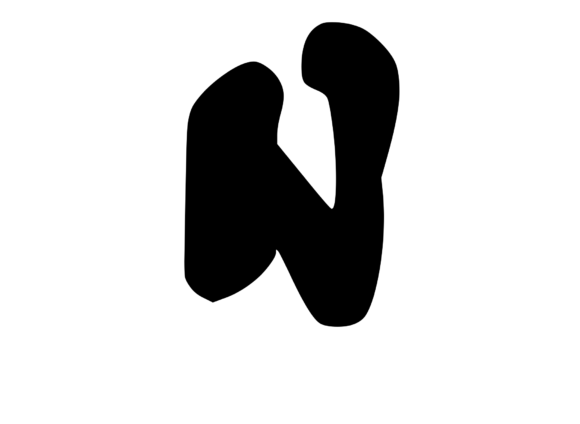
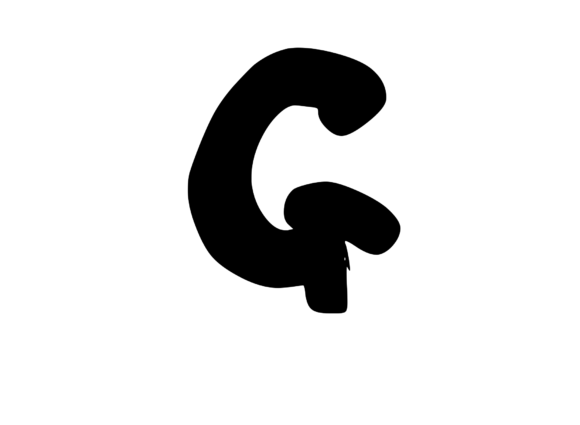
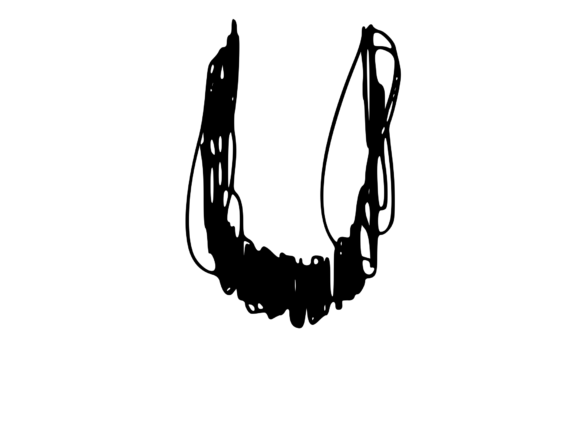
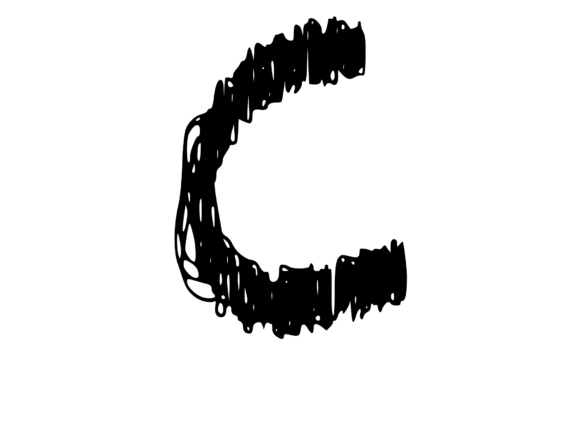
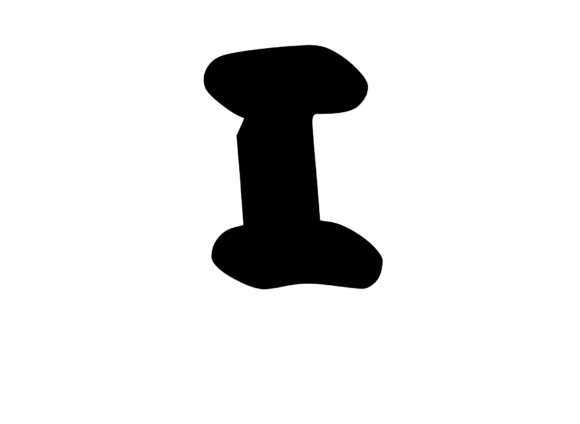
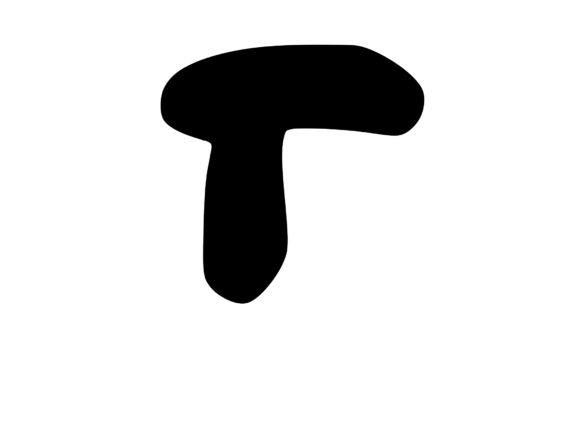
The Rough Tough Fat Felt Tip Mono T has a bold, chunky silhouette with uneven edges that mimic real felt-tip pen strokes. The mono line style means there is no fill—just a single, thick outline. That simplicity is part of the appeal. The design feels direct, like a sketch you might see in an artist's notebook. It is not delicate or fussy. The shape is clear and easy to read even from a distance, which makes it a strong candidate for apparel and accessories where quick visual recognition matters. The overall mood is gritty, creative, and a little bit street-smart. It would look natural on a shop apron for a ceramic artist, a patch on a canvas backpack, or a chest embroidery on a heavyweight hoodie. The design does not try to be elegant, and that honesty is its strength.
How the Design Performs in Real Embroidery
I tested the Rough Tough Fat Felt Tip Mono T on a medium-weight cotton twill tote bag first. That felt like the most natural test environment because the fabric is sturdy enough to hold the bold lines without puckering. Using a medium-weight cutaway stabilizer and a standard 90/14 embroidery needle, the design stitched out cleanly. The satin stitch width matched the felt-tip thickness well—not too thin to lose the rough edge appeal, not so wide that it became bulky. The stitch density felt appropriate. There were no overly dense areas that could cause thread breaks or fabric distortion. On a heavyweight sweatshirt, the design held its shape without sinking into the fleece, which is a common problem with overly detailed or dense designs. The rough strokes translated beautifully into thread, preserving that hand-drawn quality. I also tested it on a twill cap using a lightweight cutaway stabilizer and a curved hoop. The design adapted well to the curve, though I did need to adjust placement slightly to avoid the brim seam. On a baby onesie, I would recommend a fusible knit stabilizer and a slightly smaller hoop to prevent stretching. The design is simple enough that it reads well even at smaller sizes, but the felt-tip effect is best appreciated at a larger scale where the uneven edges can really show.
Where to Use Carefully
No design works everywhere, and Rough Tough Fat Felt Tip Mono T has a few limits worth noting. The rough edges, while charming, can become muddy if you shrink the design too much. I would avoid hooping anything smaller than a 4x4 inch frame for this one, especially if the fabric is textured or dark. The mono line style relies on clear open space, and on fleece, terry cloth, or heavy sweater knits, those open areas can close up or distort. Stretchy fabrics like jersey or rib knit need extra care. A sticky stabilizer and a lightweight non-woven topping will help keep the stitches from sinking. Dark fabric is fine as long as you choose a thread color with strong contrast—white, neon, or metallic thread against black works especially well. Layered garments like lined jackets or double-layer hoodies require a sharp needle and a good quality stabilizer to prevent the design from pulling unevenly. Avoid placing the design too close to seams, zippers, or button plackets where the hoop cannot sit flat. If you are adding this design to a curved surface like a cap or a sleeve, test the placement on a scrap fabric first to see how the rough outline behaves on the curve.
Visual Appeal, Customer Value, and Product Quality
When a customer sees a finished product with the Rough Tough Fat Felt Tip Mono T, they notice the hand-drawn feel immediately. It signals that the item was made with care and intention, not mass-produced from a generic template. That handmade quality translates directly into higher perceived value. For an Etsy seller or small shop owner, this design works well for products marketed as "artist-made" or "sketch-style" or "one of a kind." It fits on tote bags, pencil cases, art smocks, sketchbook covers, and even home decor items like pillow covers or tea towels. The bold mono line means the design stays readable after repeated washing, provided you use quality thread and proper finishing. For gift items like a personalized holiday tote or a birthday sweatshirt, the rough style feels less formal and more personal. It works for kids, teens, and adults who appreciate a raw, artistic look. The design also functions beautifully as a patch. When embroidered on twill or felt and cut out with a narrow seam allowance, the rough edge of the stitch mimics the irregular edge of a drawn line. That effect is hard to achieve with more polished designs. For boutique branding, this design can serve as a logo or accent mark for a business that wants to communicate creativity and independence. It is not a safe, corporate look—it is for makers and doers.
Practical Designer Notes Before You Sew
Before you commit to a final project, take these steps. Test the Rough Tough Fat Felt Tip Mono T on a scrap of your actual project fabric. Check how the rough edges look with your chosen thread color. A single-color design like this lives or dies on contrast. I always run a black and white mockup first to make sure the open areas stay open and the thick lines do not bleed together visually. Confirm your hoop size. If the design is larger than your hoop, you risk distortion or misalignment. Check the stitch density. You want enough stitches to hold the shape but not so many that the fabric puckers or the thread breaks. Use a quality stabilizer that matches your fabric weight. For most applications, a medium-weight cutaway is a safe start. For stretchy or thin fabrics, use a fusible or sticky stabilizer. Always secure your thread tails properly—this design is simple enough that loose tails will be visible. And before you sell any finished item or digital product made from this design, confirm the licensing. The product listing says Rough Tough Fat Felt Tip Mono is for all artists, designers, and crafters, and that you can proudly reproduce it. But it is your responsibility to verify whether the license covers commercial use, how many copies you can produce, and whether digital redistribution of the original file is allowed. When in doubt, contact the seller. A clear license protects your business and your customer relationships.
Final Thoughts on Rough Tough Fat Felt Tip Mono T
This design is a smart addition to any embroidery designer's library, especially if you serve clients who want something with personality. It is not a design for formal monograms or elegant bridal work. It is for the crafters who sell at weekend markets, the Etsy sellers who make everyday objects feel special, and the small business owners who want their brand to look like it was built by hand. The Rough Tough Fat Felt Tip Mono T feels at home on canvas tote bags, denim aprons, hoodies, caps, and simple home goods like kitchen towels or pillow covers. It works for holiday gifts if you pair it with a clever phrase or a recipient's name. It works for personalized baby items if you keep the scale generous and the fabric stable. It works for commercial embroidery projects where the client wants a bold, artistic mark. The rough strokes give you room to customize—you can pair it with a decorative border, a separate fill design, or even layer it over a applique base. The key is to respect the design's limits. Keep the size large enough to read the rough edges clearly. Use stable fabrics and proper stabilizer. Test before you commit to a production run. If you do those things, the Rough Tough Fat Felt Tip Mono T will stitch out cleanly, hold up through washes, and earn you compliments from customers who appreciate something that looks genuinely made by hand. It is a versatile, honest design that deserves a spot in your working collection.